
Introduction to Land Preparation for Construction in the Florida Keys
Preparing land for construction in the Florida Keys and Monroe County is a complex process that requires careful planning, proper permits, and coordination of multiple site work activities. Unlike other regions, Monroe County presents unique challenges including high water tables, flood zones, coral rock excavation, the strictest environmental regulations in Florida, protected species compliance, and Monroe County specific permit requirements.
This comprehensive guide walks you through every step of preparing your land for construction in Monroe County, from initial planning through final site preparation. Whether you're building a custom home in Key West, developing a commercial property in Key Largo, or working on infrastructure in Marathon, understanding this process helps ensure your project proceeds smoothly and complies with all regulations.
Proper land preparation is essential for a successful construction project. Rushing through this phase or cutting corners can lead to costly delays, compliance issues, and structural problems down the road. In the Florida Keys, environmental compliance is especially critical due to the strictest regulations in the state.
Pre-Construction Planning Phase
Before any physical work begins, thorough planning sets the foundation for a successful project in Monroe County. This phase involves several critical steps:
Site Assessment and Due Diligence
A comprehensive site assessment identifies potential challenges and requirements before you invest in design and permits. Key assessments include:
- Topographic survey: Maps existing elevations, slopes, and natural features
- Soil testing: Determines soil type, bearing capacity, and potential contamination (coral rock presence is critical)
- Environmental assessment: Identifies protected species, wetlands, or archaeological resources (required by Monroe County and state agencies)
- Flood zone determination: Confirms FEMA flood zone and Base Flood Elevation (BFE) requirements
- Utility location: Identifies existing utilities that may need relocation
- Tree survey: Documents existing vegetation and protected trees (required for Monroe County tree removal permits)
- Coral rock assessment: Determines presence and volume of coral rock requiring excavation
Design and Engineering
Professional site plans and engineering drawings are required for most construction projects in Monroe County. These documents must show:
- Proposed building locations and elevations
- Grading plans with contour lines
- Drainage and stormwater management systems
- Utility locations and connections
- Erosion control measures
- Compliance with setback requirements
- Coral rock excavation areas and disposal plans
Budget Planning and Cost Estimation
Accurate budgeting prevents cost overruns and project delays. Site work typically represents 15-25% of total construction costs in Monroe County (higher than mainland due to environmental compliance and coral rock). Key cost categories include:
- Land clearing: $4,000 to $20,000 for typical residential lots in the Florida Keys
- Excavation: $50,000 to $150,000+ depending on foundation size, water table, and coral rock volume
- Grading: $7,500 to $40,000 for building pads and site grading (coral rock adds significant cost)
- Drainage systems: $7,500 to $75,000+ for stormwater management
- Permits and fees: $10,000 to $50,000+ depending on project scope (environmental permits are extensive)
- Engineering: $7,500 to $35,000+ for site plans and calculations
- Coral rock excavation: $15,000 to $100,000+ depending on volume
Permits and Regulatory Approvals in Monroe County
Monroe County has the strictest permitting requirements in Florida. Understanding what permits you need and how to obtain them is critical:
Monroe County Building Department Permits
Monroe County requires building permits for site work activities. Key departments include:
- Monroe County Building Department: Building permits are required for all construction activities with strict environmental review. Learn about Florida Keys site work requirements.
- Environmental Review: Monroe County has the strictest environmental regulations in Florida, requiring extensive permits and compliance measures.
- Planning and Zoning: Zoning approvals may be required depending on project type and location.
Environmental Permits in Monroe County
Environmental permits are the most time-consuming to obtain in Monroe County. Key agencies include:
- Monroe County: Required for projects affecting water resources, protected species, or environmental features. Monroe County environmental permits can take 90-180 days to obtain.
- South Florida Water Management District (SFWMD): Required for projects affecting water resources. SFWMD Environmental Resource Permits can take 60-120 days to obtain.
- U.S. Army Corps of Engineers: Required for projects affecting wetlands or navigable waters.
- Florida Fish and Wildlife: Required for projects affecting protected species (Key deer, sea turtles, marine life) or their habitat.
- NOAA: Required for projects affecting coral reefs or marine environments.
Tree Removal and Vegetation Permits in Monroe County
Tree removal in Monroe County requires permits and is heavily restricted due to protected species compliance. Protected species like mangroves, seagrass, and certain trees have additional restrictions. Monroe County has the strictest tree protection ordinances in Florida.
Site Clearing and Preparation Phase
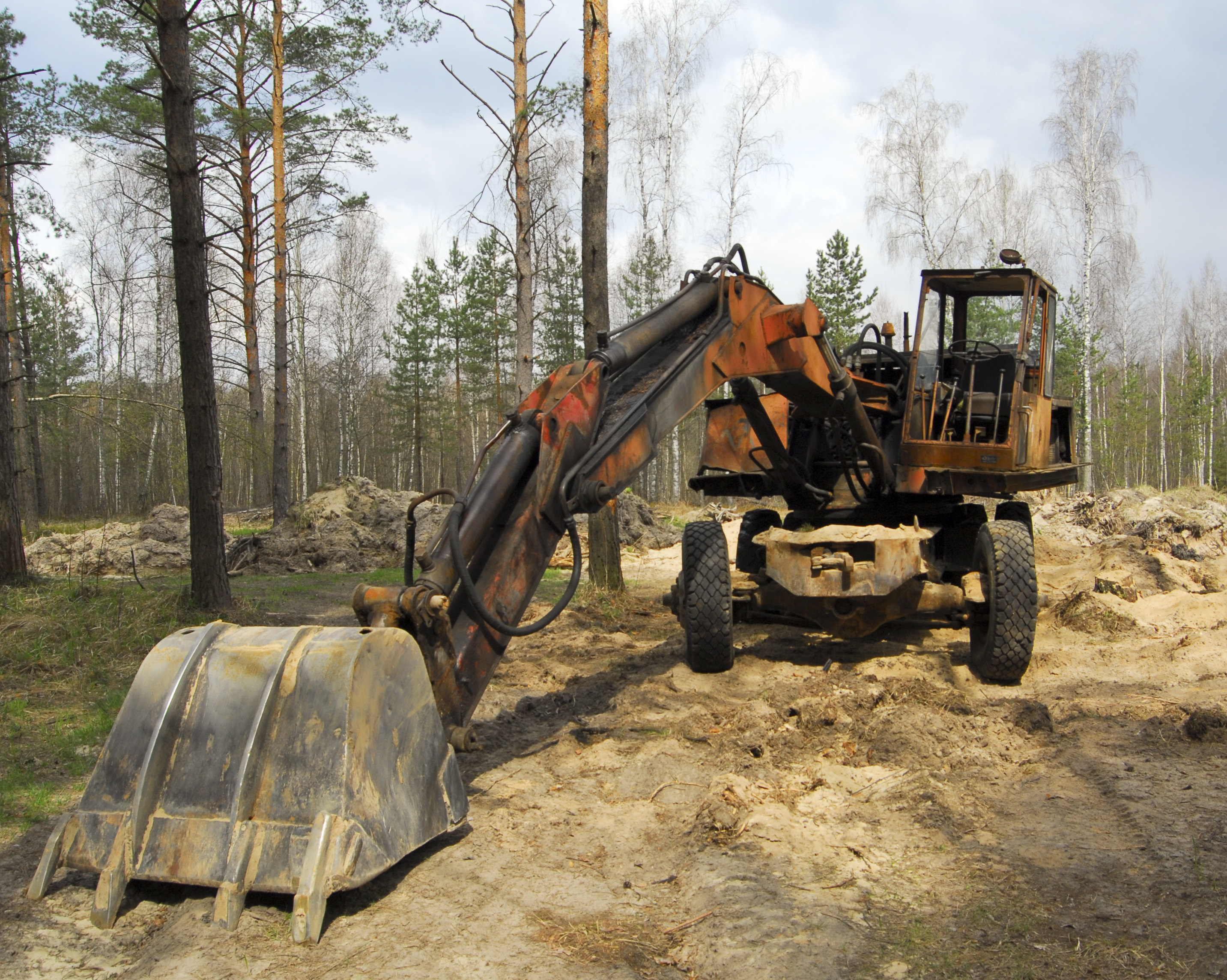
Once permits are obtained, physical site work can begin in Monroe County. The clearing phase prepares the land for excavation and grading:
Vegetation and Tree Clearing
- Selective tree removal based on site plans
- Vegetation clearing for building areas and access roads
- Protection of existing trees that will remain
- Compliance with Monroe County tree removal permits
- Protected species compliance (Key deer, sea turtles, marine life)
In Monroe County, this work must comply with county tree protection ordinances and protected species requirements. Coastal areas throughout the Florida Keys have additional mangrove protection requirements. Protected species surveys are often required before clearing can begin.
Stump Removal and Grubbing
Grubbing removes roots, stumps, and organic material to prepare for proper compaction and foundation work. Costs typically range from $750 to $4,000 depending on the number and size of stumps. Coral rock may be encountered during grubbing, adding to costs.
Debris Hauling and Site Cleanup
Debris hauling costs $750 to $3,000 per load depending on distance to disposal facilities. Monroe County has limited landfill capacity, making disposal more expensive than mainland Florida. Coral rock disposal adds additional costs.
Excavation and Earthwork Phase

Excavation prepares the site for foundations, utilities, and drainage systems. In Monroe County, this phase requires special attention to water table conditions and coral rock:
Mass Excavation and Cut/Fill Operations
In Monroe County, cut and fill operations must account for high water tables, flood zone elevation requirements, proper drainage slopes, and coral rock excavation. Material is often balanced on-site to minimize import/export costs, but coral rock disposal adds significant expense. Coastal areas throughout the Keys require additional considerations for storm surge protection.
Foundation and Footing Excavation
Dewatering systems pump groundwater away from the excavation area, allowing work to proceed in dry conditions. These systems must run continuously until the foundation is poured and can add $10,000 to $75,000+ to project costs. Coral rock excavation adds $15,000 to $100,000+ depending on volume. This is especially critical throughout the Florida Keys.
Utility Trench Excavation
In Monroe County, utility trenches often encounter high water tables requiring dewatering and coral rock requiring specialized excavation. Proper backfilling and compaction are critical to prevent settling. Monroe County has specific requirements for utility work in public rights-of-way.
Grading and Site Preparation Phase

Grading creates the final elevations and slopes needed for construction. This phase is critical for proper drainage and building placement in Monroe County:
Rough Grading
Building Pad Grading
- Elevated to proper height above flood zones (if applicable) - most Monroe County properties are in Zone AE or VE
- Properly sloped for drainage (minimum 2% slope away from building)
- Compacted to required density (typically 95% Proctor)
- Level within tolerance for foundation type
- Free of coral rock or properly excavated
In flood zones, building pads must be elevated above Base Flood Elevation (BFE), which can require significant fill material. This is especially important throughout the Florida Keys. Coral rock excavation for building pads adds $15,000 to $100,000+ to project costs.
Drainage and Regrading
Drainage and Stormwater System Installation

Effective drainage is critical in Monroe County due to heavy rainfall, high water tables, and the need to protect sensitive marine environments. Stormwater systems must comply with Monroe County and SFWMD requirements:
French Drains and Underdrain Systems
French drains typically cost $20 to $40 per linear foot installed (higher than mainland due to coral rock excavation). Proper installation includes perforated pipe, gravel backfill, and connection to outfall systems that protect marine environments.
Stormwater Inlets and Piping
Retention and Detention Basins
Swales, Ditches, and Outfalls
These systems must connect to approved outfalls, which may require permits from SFWMD or Monroe County. Monroe County has specific requirements for outfall connections that protect marine environments and coral reefs.
Erosion Control and Slope Stabilization
Erosion control is required throughout the site work process to prevent sediment from leaving the site and entering marine environments. This is especially important in Monroe County where heavy rains can cause significant erosion and impact coral reefs:
- Silt fences: Installed around site perimeters to filter sediment
- Straw wattles: Placed in swales and ditches to slow water flow
- Erosion control blankets: Protect exposed slopes until vegetation establishes
- Inlet protection: Prevents sediment from entering storm drains
- Marine protection: Special measures to prevent sediment from reaching coral reefs
Final Site Preparation and Inspection
Before construction can begin, final site preparation ensures everything is ready in Monroe County:
Final Grading and Compaction
Final grading creates precise elevations for construction. All areas must be properly compacted to required densities to prevent settling. Compaction testing by certified technicians verifies that soil meets engineering specifications.
Building pad areas typically require 95% Proctor density, while general site areas may require 90% Proctor. Proper compaction prevents foundation problems and settling issues. Monroe County Building Department requires compaction reports.
Utility Stubs and Connections
Utility stubs must be installed and properly located for water, sewer, electrical, and gas connections. These stubs must be at correct elevations and locations per site plans.
Utility companies require inspections before connections can be made. Coordinating these inspections with site work completion is essential. Monroe County has specific requirements for utility connections, and coral rock excavation may be required.
Site Access Preparation
- Access road grading and stabilization
- Gate installation and security
- Traffic control measures
- Parking areas for construction vehicles
Required Inspections in Monroe County
Multiple inspections are required before construction can begin in Monroe County:
- Environmental inspection: Verifies environmental compliance and erosion control (most critical in Monroe County)
- Grading inspection: Verifies elevations and slopes meet site plans
- Drainage inspection: Confirms stormwater systems are properly installed
- Erosion control inspection: Verifies erosion control measures are in place
- Utility inspection: Confirms utility stubs are properly located
- Final site inspection: Overall verification that site is ready for construction
All inspections must pass before building permits can be issued for construction. Monroe County Building Department coordinates these inspections, and environmental compliance is strictly enforced.
Common Mistakes to Avoid in the Florida Keys
Avoiding these common mistakes saves time and money in Monroe County:
- Starting without environmental permits: Always obtain required environmental permits before beginning work (most critical in Monroe County)
- Inadequate site assessment: Thorough site assessment prevents costly surprises, especially coral rock discovery
- Poor drainage planning: Inadequate drainage causes flooding and foundation problems Insufficient dewatering: High water tables require proper dewatering systems
- Underestimating coral rock costs: Coral rock excavation significantly increases costs
- Inadequate compaction: Poor compaction causes settling and foundation issues
- Rushing the process: Allow adequate time for each phase to ensure quality
- Cutting corners on erosion control: Monroe County violations result in significant fines and project delays
- Not coordinating with utilities: Utility conflicts cause delays and additional costs
- Ignoring flood zone requirements: FEMA flood zone requirements must be met
- Not protecting marine environments: Sediment control must protect coral reefs
Working with Site Work Contractors in the Florida Keys
Choosing the right contractor is critical for successful land preparation in Monroe County. Look for:
- Proper licensing: Verify contractor licenses with the Florida Department of Business and Professional Regulation
- Experience in Monroe County: Contractors familiar with Monroe County's strictest environmental regulations, coral rock excavation, and local conditions
- Insurance coverage: General liability and workers' compensation insurance
- References: Check references from similar projects in Monroe County
- Written contracts: Detailed contracts protect both parties
- Coral rock experience: Contractors experienced with coral rock excavation and disposal
South Florida Site Work coordinates a network of licensed contractors across Monroe County. We handle project intake, scoping, scheduling, and quality assurance, then dispatch the nearest qualified contractor with the right equipment and certifications for projects in Key West, Key Largo, Islamorada, Marathon, Big Pine Key, and throughout the county.
Conclusion
Preparing land for construction in Monroe County is a complex process requiring careful planning, proper permits, and coordination of multiple activities. Understanding each phase helps ensure your project proceeds smoothly and complies with all regulations, including Monroe County's strictest environmental requirements in Florida.
Working with experienced professionals who understand Monroe County's unique challenges—from high water tables to strict environmental regulations, coral rock excavation, and protected species compliance—is essential for success. Proper planning and execution during the land preparation phase prevents costly problems during construction.
For assistance with your land preparation project in Monroe County, contact South Florida Site Work. We coordinate licensed contractors across Key West, Key Largo, Islamorada, Marathon, Big Pine Key, and throughout Monroe County to deliver quality site work that meets local requirements and sets your construction project up for success.