Swales, Ditches and Outfalls in Fort Lauderdale, FL
Construction of swales, ditches, and outfall structures to channel surface water runoff and connect to stormwater management systems or natural drainage ways across Broward County
Free Fast Quote
Please fill out this form to request a free quote on your upcoming project and we will respond to you right away!
Who This Service Is For
Swales, ditches, and outfall services in Broward County are essential for developers, general contractors, property owners, and anyone needing to channel surface water runoff and connect to stormwater management systems throughout Broward County, including Fort Lauderdale, Hollywood, Weston, Plantation, and other communities.
Whether you're developing a new property in Plantation, managing existing surface water runoff in Fort Lauderdale, or installing comprehensive drainage infrastructure in Hollywood, swales, ditches, and outfalls effectively channel water. We coordinate contractors with expertise in Broward County drainage requirements, Development & Environmental Review (DER), Natural Resource Protection Code compliance, storm event protection requirements, and SFWMD Environmental Resource Permits to construct drainage features that meet regulatory requirements.
Typical Project Sizes in Broward County
Swales, ditches, and outfall construction in Broward County typically ranges from $20,000 to $75,000 for residential properties, and $75,000 to $200,000+ for commercial properties or large-scale drainage systems depending on feature length, depth, complexity, storm event protection requirements, and SFWMD Environmental Resource Permit requirements. Projects requiring extensive swale networks or meeting storm event protection (100-year, 3-day storm event for structures; 10-year, 3-day storm event for roadways and parking lots) often cost more due to additional permit requirements and specialized design. Projects involving development work as described in Florida Statute 380.04 require a development permit prior to the issuance of a building permit.
What Swales, Ditches and Outfalls Include in Broward County
Swale Construction
Construction of swales (shallow, vegetated drainage channels) with proper slopes to direct water flow, meeting Broward County's Natural Resource Protection Code requirements. Swales are typically wider and shallower than ditches, designed to slow water flow and allow infiltration while directing runoff, integrating with Broward County's three-tier infrastructure framework.
Ditch Construction
Construction of ditches (deeper drainage channels) with proper depths and slopes for water conveyance, sized for storm event protection (100-year, 3-day storm event for structures; 10-year, 3-day storm event for roadways and parking lots) and meeting Natural Resource Protection Code compliance. Ditches are designed for higher flow rates and may be lined or unlined depending on design requirements, with consideration of high water table conditions.
Slope Construction
Construction of proper slopes (typically 1-2% minimum) to ensure effective water flow, meeting Broward County requirements. Slopes are critical for drainage function, with steeper slopes for higher flow rates and gentler slopes for infiltration, especially important for swales designed for stormwater management and integration with the three-tier infrastructure framework.
Outfall Structure Construction
Construction of outfall structures where drainage features discharge to stormwater systems, retention areas, or natural water bodies, meeting Broward County's Natural Resource Protection Code requirements and SFWMD Environmental Resource Permit standards. Outfalls ensure proper water discharge and prevent erosion at discharge points, integrating with Broward County's three-tier infrastructure framework.
Erosion Control
Installation of erosion control measures including matting, vegetation, or riprap to protect drainage feature banks from erosion, meeting Broward County Natural Resource Protection Code requirements. Erosion control ensures long-term drainage function and prevents sediment accumulation, especially important for swales designed for water quality treatment and storm event protection.
Connection to Stormwater Systems
Connection of swales and ditches to stormwater management systems, retention ponds, or natural drainage ways, meeting storm event protection requirements (100-year, 3-day storm event for structures; 10-year, 3-day storm event for roadways and parking lots) and Natural Resource Protection Code compliance. Connections ensure proper water flow and compliance with stormwater management requirements, integrating with Broward County's three-tier infrastructure framework.
Broward County Swale and Ditch Considerations
Swale, ditch, and outfall construction in Broward County requires specialized knowledge of local conditions and regulatory requirements:
- Development Permits: Projects involving development work as described in Florida Statute 380.04 require a development permit prior to the issuance of a building permit. This is a critical prerequisite for swale, ditch, and outfall construction projects in Broward County.
- Development & Environmental Review (DER): Swale, ditch, and outfall construction typically requires Development & Environmental Review through ePermits OneStop for applicable building permits. All DER submittals are only accepted electronically. Broward County's Planning and Development Management Division ensures that proposed developments comply with the Broward County Land Development Code and Natural Resource Protection Code.
- Storm Event Protection Requirements: Broward County requires that first floor elevations of all structures within drainage districts must protect structures from a 100-year, 3-day storm event, while roadway and parking lot elevations must be protected from a 10-year, 3-day storm event. Swales and ditches must be sized to handle these design storms, with proper storage volumes and discharge rates to ensure adequate flood protection and water quality treatment.
- Natural Resource Protection Code: Broward County's Natural Resource Protection Code (Chapter 27) regulates environmental activities and enforces requirements for development in environmentally sensitive areas, including wetlands and stormwater management systems. Swale, ditch, and outfall projects must comply with these requirements.
- SFWMD Environmental Resource Permits: Swale, ditch, and outfall construction may require SFWMD Environmental Resource Permits for stormwater management, especially for systems connecting to surface waters or involving significant land disturbance. As of June 28, 2024, new water quality performance standards were implemented. We coordinate all required SFWMD permits.
- Three-Tier Infrastructure Framework: Broward County's stormwater management system operates through a three-tier infrastructure framework: Tertiary System (individual community infrastructure including drainage inlets, pipes, swales, lakes, and retention areas), Secondary System (South Broward Drainage District or Central Broward Water Control District infrastructure including canals, culverts, and flood control gates), and Primary System (SFWMD-operated canals that receive all permitted stormwater runoff). Swales and ditches must integrate with this framework.
- High Water Table: Broward County's high water table, which can be within 2-3 feet of the surface in many areas, affects swale and ditch design and may require deeper excavation or dewatering. Water table conditions determine feature depths and may affect drainage function, especially in areas like Fort Lauderdale, Hollywood, and coastal neighborhoods.
- Climate Resilience and Sea Level Rise: Broward County has implemented a 50-year planning horizon for sea level rise, with projections of approximately 2 feet of sea level rise. Swale and ditch design must account for climate resilience and sea level rise considerations, ensuring long-term functionality and compliance with regulatory requirements.
- Drainage District Requirements: For projects in areas governed by drainage districts (Central Broward Water Control District for areas east of Volunteer Road or South Broward Drainage District for areas west), Paving & Drainage (P&D) Permits are required. Swale and ditch design must comply with drainage district requirements and storm event protection standards.
Broward County Swale and Ditch Neighborhoods
We coordinate swale, ditch, and outfall construction throughout Broward County, including:
Residential Communities
- Victoria Park
- Coral Ridge
- Harbor Beach
- Hollywood
- Pompano Beach
Commercial Development
- Fort Lauderdale
- Las Olas Boulevard
- Downtown Fort Lauderdale
- Plantation
- Pembroke Pines
Coastal Areas
- Fort Lauderdale Beach
- Hollywood Beach
- Pompano Beach
- Deerfield Beach
- Lauderdale-by-the-Sea
Suburban Areas
- Weston
- Coral Springs
- Parkland
- Davie
- Miramar
The Swale, Ditch and Outfall Construction Process in Broward County
Our coordinated approach ensures your swales, ditches, and outfalls are constructed properly and meet all Broward County regulatory requirements:
- Engineering Design Review: We review engineering designs to understand drainage feature dimensions, depths, and slopes specific to Broward County conditions including storm event protection requirements (100-year, 3-day storm event for structures; 10-year, 3-day storm event for roadways and parking lots) and Natural Resource Protection Code compliance. Design review ensures construction meets exact requirements for stormwater management, integrating with Broward County's three-tier infrastructure framework.
- Development Permit Coordination: We help identify required development permits as described in Florida Statute 380.04, which must be obtained prior to the issuance of building permits for swale, ditch, and outfall construction projects in Broward County.
- Broward County Permit Coordination: We help identify required permits including Uniform Building Permit Applications (updated November 14, 2025), Development & Environmental Review (DER) through ePermits OneStop, SFWMD Environmental Resource Permits for stormwater management, Natural Resource Protection Code compliance, drainage district approvals (CBWCD or SBDD) where applicable, and coordinate with regulatory agencies. All DER submittals are only accepted electronically. Permits are valid for 180 days from the date of issuance. Permits ensure compliance with stormwater management requirements.
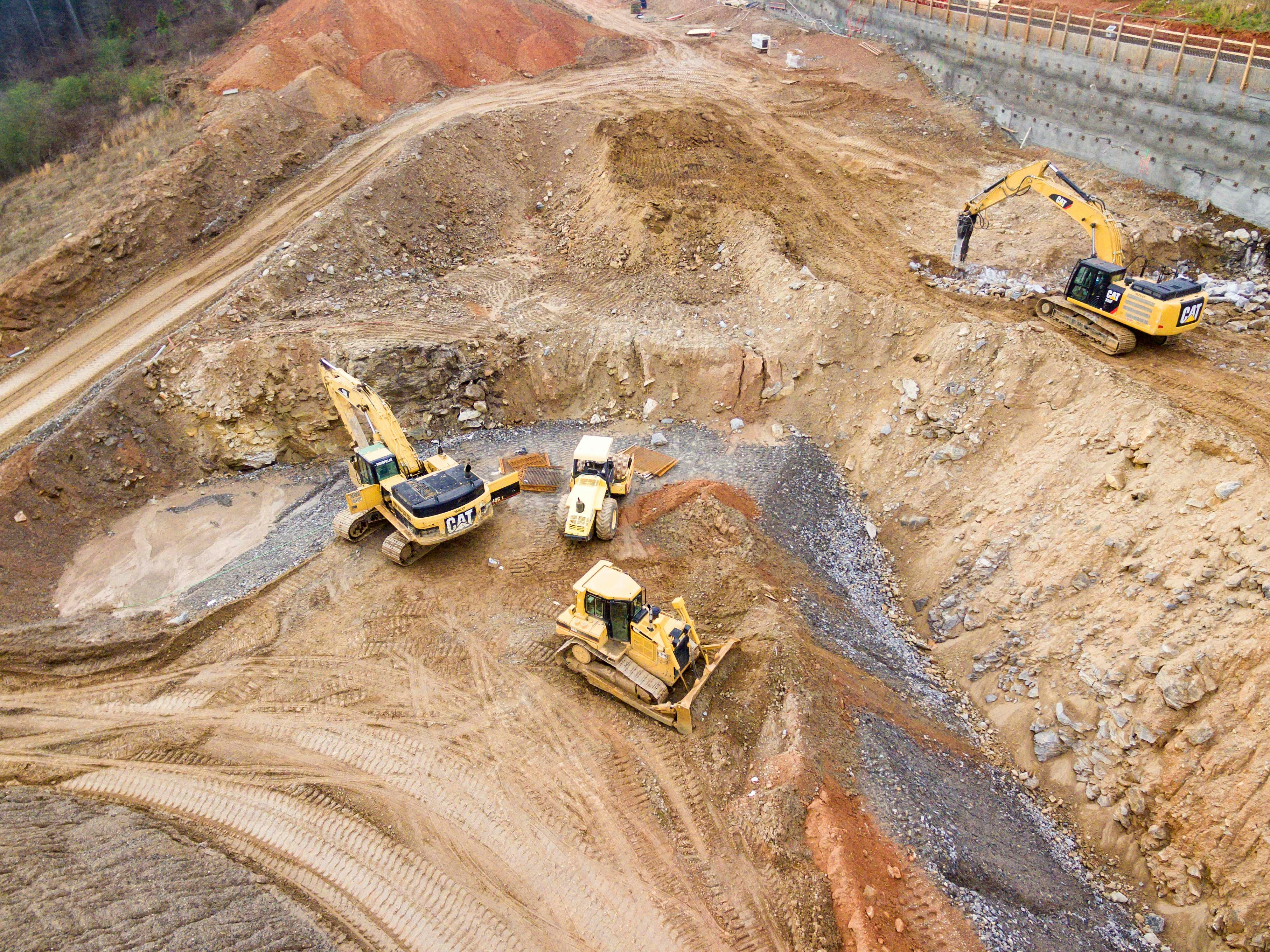
- Contractor Selection: We match your project with licensed contractors who have the right equipment (excavators, bulldozers, compactors) and experience for drainage feature construction in Broward County, including expertise with high water table conditions, Natural Resource Protection Code compliance, SFWMD Environmental Resource Permit requirements, and storm event protection.
- Feature Construction: Contractors construct swales and ditches to exact depths and dimensions, creating proper drainage channels, meeting Broward County construction standards. Construction establishes feature shape and prepares areas for erosion control installation, with consideration of high water table conditions and integration with Broward County's three-tier infrastructure framework.
- Slope Construction: Drainage features are graded to proper slopes (typically 1-2% minimum) to ensure effective water flow, meeting Broward County requirements. Slope construction meets engineering specifications and ensures proper drainage function, especially important for swales designed for stormwater management and integration with the three-tier infrastructure framework.
- Outfall Construction: Outfalls are constructed where drainage features discharge to stormwater systems or natural water bodies, integrating with Broward County's three-tier infrastructure framework. Outfall structures ensure proper water discharge and prevent erosion, meeting storm event protection and Natural Resource Protection Code standards.
- Erosion Control and Final Inspection: Erosion control measures are installed, and final inspections with SFWMD, Broward County Building Code Division or municipal building departments, and drainage districts where applicable ensure drainage features meet regulatory requirements including storm event protection and Natural Resource Protection Code standards. Features are ready for operation after final approval.
Frequently Asked Questions
What permits are required for swale and ditch construction in Broward County?
Swale and ditch construction in Broward County requires development permits (Florida Statute 380.04) obtained prior to building permit issuance, Uniform Building Permit Applications from Broward County Building Code Division, Development & Environmental Review (DER) through ePermits OneStop for applicable projects, SFWMD Environmental Resource Permits for stormwater management, Natural Resource Protection Code compliance, and drainage district approvals (CBWCD or SBDD) where applicable. All DER submittals are only accepted electronically. Permits are valid for 180 days from the date of issuance. We help identify and coordinate all required permits.
What is the difference between a swale and a ditch in Broward County?
Swales are shallow, vegetated drainage channels designed to slow water flow and allow infiltration, meeting Broward County's Natural Resource Protection Code requirements. Ditches are deeper channels designed for higher flow rates and water conveyance, sized for storm event protection (100-year, 3-day storm event for structures; 10-year, 3-day storm event for roadways and parking lots). Swales are typically wider and shallower with gentle slopes, while ditches are deeper with steeper slopes for effective water transport. Both must comply with Natural Resource Protection Code requirements and integrate with Broward County's three-tier infrastructure framework.
What slope is required for swales and ditches in Broward County?
Swales and ditches in Broward County typically require minimum slopes of 1-2% (1-2 feet drop per 100 feet of length) to ensure effective water flow, meeting county requirements. Steeper slopes may be required for higher flow rates, while gentler slopes may be used for swales designed for stormwater management. Exact slope requirements are specified in engineering designs based on flow rates from storm event protection requirements and drainage function, meeting storm event protection and Natural Resource Protection Code standards, and integrating with Broward County's three-tier infrastructure framework.
How much does swale and ditch construction cost in Broward County?
Swale and ditch construction costs in Broward County vary based on feature length, depth, complexity, storm event protection requirements, and SFWMD Environmental Resource Permit requirements. Typical residential properties range from $20,000 to $75,000, while commercial properties or large-scale systems can range from $75,000 to $200,000+ depending on scope. Factors affecting cost include excavation volume, erosion control requirements, outfall construction, and permit complexity. Projects requiring extensive swale networks or meeting storm event protection (100-year, 3-day storm event for structures; 10-year, 3-day storm event for roadways and parking lots) often cost more due to additional permit requirements (SFWMD Environmental Resource Permits) and specialized design. Broward County permit processing, including DER review through ePermits OneStop, can add time and costs.
How do swales and ditches integrate with Broward County's three-tier infrastructure framework?
Broward County's stormwater management system operates through a three-tier infrastructure framework: Tertiary System (individual community infrastructure including drainage inlets, pipes, swales, lakes, and retention areas maintained by Homeowners Associations or local municipalities), Secondary System (South Broward Drainage District or Central Broward Water Control District infrastructure including canals, culverts, and flood control gates that convey stormwater from tertiary systems), and Primary System (SFWMD-operated canals that receive all permitted stormwater runoff and serve as the final conveyance system). Swales and ditches are part of the Tertiary System and must be designed to connect properly to Secondary System infrastructure, ensuring effective stormwater management and compliance with storm event protection requirements.