Mass Excavation and Cut/Fill in Fort Lauderdale, FL
Large-scale excavation and earthmoving for commercial and residential developments across Broward County
Free Fast Quote
Please fill out this form to request a free quote on your upcoming project and we will respond to you right away!
Who This Service Is For
Mass excavation and cut/fill services in Broward County are essential for developers, general contractors, subdivision developers, and anyone preparing large sites that require significant earthmoving to achieve proper elevations throughout Broward County, including Fort Lauderdale, Weston, Plantation, Pembroke Pines, and other growing communities.
Whether you're developing a new subdivision in Weston, commercial complex in Plantation, or preparing a large site for construction in Pembroke Pines, mass excavation and cut/fill operations balance site elevations efficiently. We coordinate licensed contractors with heavy equipment to handle large-scale earthmoving projects, navigating Broward County Development & Environmental Review (DER), Natural Resource Protection Code compliance, SFWMD Environmental Resource Permits, and development permits (Florida Statute 380.04) with specialized knowledge of high water table conditions and regulatory restrictions.
Typical Project Sizes in Broward County
Mass excavation and cut/fill projects in Broward County typically range from $50,000 to $200,000 for smaller developments, and $200,000 to $1,000,000+ for large-scale commercial or subdivision projects depending on earthwork volume, site conditions, dewatering requirements, and required balancing operations. Projects requiring extensive dewatering, working in flood zones, or involving wetlands often cost more due to additional permit requirements and specialized techniques. Projects involving development work as described in Florida Statute 380.04 require a development permit prior to the issuance of a building permit.
What Mass Excavation and Cut/Fill Includes in Broward County
Site Survey and Volume Calculations
Survey and calculation of cut and fill volumes to determine earthwork requirements specific to Broward County conditions. Volume calculations identify areas that need excavation (cut) and areas that need fill material to achieve proper site elevations, accounting for flood zone requirements, storm event protection (100-year, 3-day storm event for structures), and high water table considerations.
Cut Operations
Excavation of material from higher elevations to lower elevations, with proper dewatering systems where required due to Broward County's high water table. Cut operations remove excess material from areas that are too high, preparing material for use as fill in lower areas or for export off-site, in compliance with SFWMD Environmental Resource Permit requirements and Natural Resource Protection Code standards.
Fill Operations
Placement of fill material in low-lying areas to achieve proper elevations, with proper compaction for stability. Fill operations use material from cut areas or imported fill to raise low areas to required elevations, meeting Base Flood Elevation (BFE) requirements and storm event protection (100-year, 3-day storm event for structures) for properties in flood zones.
Site Balancing
Coordinated cut and fill operations to balance site elevations while minimizing import and export of material. Site balancing maximizes use of on-site material, reducing costs and environmental impact, while meeting Broward County stormwater management and drainage requirements, including Natural Resource Protection Code compliance.
Material Handling
Coordination of material movement, stockpiling, and placement in compliance with Broward County requirements. Material handling ensures cut material is efficiently moved to fill areas or prepared for export, with proper sequencing to minimize double-handling and environmental impact, meeting SFWMD Environmental Resource Permit requirements.
Compaction and Final Grading
Proper compaction of fill material and final grading to achieve exact elevations per engineering specifications. Compaction ensures fill stability, especially important given Broward County's high water table, while final grading creates precise elevations specified in engineering drawings. Final as-built surveys prepared by Florida-licensed surveyors or professional engineers are required upon completion.
Broward County Mass Excavation Considerations
Mass excavation and cut/fill operations in Broward County require specialized knowledge of local conditions and regulatory requirements:
- Development Permits (Florida Statute 380.04): Projects involving development work as described in Florida Statute 380.04 require a development permit prior to the issuance of a building permit. This is a critical prerequisite for mass excavation projects in Broward County.
- Fill, Excavation and Site Grading Permits: Broward County requires Fill, Excavation and Site Grading Permits for development projects involving excavation or substantial fill work. The permitting process operates on three levels (Level 1, Level 2, Level 3), each with different complexity and review requirements, with permit fees ranging from $75 to $150 depending on project scope and environmental impact.
- Development & Environmental Review (DER): All DER submittals are only accepted electronically through ePermits OneStop. Broward County's Planning and Development Management Division ensures that proposed developments comply with the Broward County Land Development Code and Natural Resource Protection Code. Environmental Resource Assessment is essential to determine whether protected environmental components exist on the site.
- Wetland Delineation: The first critical step is obtaining a Wetland Delineation through Broward County's environmental review approval process. This assessment identifies any wetland habitat, submerged aquatic vegetation (SAV), or protected habitat within or adjacent to the project area. Wetland survey requirements should be completed before topographic surveys.
- High Water Table and Dewatering: Broward County's high water table, which can be within 2-3 feet of the surface in many areas, affects excavation depth and requires dewatering systems for deep excavations. SFWMD Environmental Resource Permits are required for dewatering activities affecting state waters. The applicant must have all applicable SFWMD permits before proceeding with dewatering operations. Cut operations may encounter water, requiring proper dewatering and water management, especially in areas like Fort Lauderdale, Hollywood, and coastal neighborhoods.
- Storm Event Protection Requirements: Elevation requirements for structures are strict: the first floor elevations of all structures within drainage districts must protect structures from a 100-year, 3-day storm event, while roadway and parking lot elevations must be protected from a 10-year, 3-day storm event. These requirements affect cut and fill operations and elevation adjustments.
- Flood Zone Requirements: Cut and fill operations in flood zones must comply with FEMA requirements. Fill placement may be restricted, and elevations must meet flood zone regulations, including Base Flood Elevation (BFE) requirements. Properties in flood zones often require significant fill material to meet elevation requirements and storm event protection.
- SFWMD Environmental Resource Permits: Large-scale mass excavation may require SFWMD Environmental Resource Permits for land disturbance, especially near wetlands or surface waters. As of June 28, 2024, new water quality performance standards were implemented. Permits may restrict cut and fill operations in sensitive areas. We coordinate all required SFWMD permits.
- Natural Resource Protection Code: Broward County's Natural Resource Protection Code (Chapter 27) regulates environmental activities and enforces requirements for development in environmentally sensitive areas, including wetlands and stormwater management systems. Mass excavation projects must comply with these requirements.
- Drainage District Requirements: For projects in areas governed by drainage districts (Central Broward Water Control District for areas east of Volunteer Road or South Broward Drainage District for areas west), Paving & Drainage (P&D) Permits are required. Level 2 and Level 3 fill permits involve drainage district review.
- Final As-Built Surveys: Projects must submit final as-built surveys prepared by Florida-licensed surveyors or professional engineers upon completion, showing final elevations, cut and fill volumes, and compliance with engineering specifications and permit conditions.
Broward County Mass Excavation Neighborhoods
We coordinate mass excavation and cut/fill operations throughout Broward County, including:
Commercial Development Areas
- Fort Lauderdale
- Las Olas Boulevard
- Downtown Fort Lauderdale
- Plantation
- Pembroke Pines
Subdivision Development
- Weston
- Coral Springs
- Parkland
- Davie
- Miramar
Residential Communities
- Victoria Park
- Coral Ridge
- Harbor Beach
- Hollywood
- Pompano Beach
Suburban Areas
- Deerfield Beach
- Lauderdale Lakes
- Oakland Park
- Wilton Manors
- Sunrise
The Mass Excavation and Cut/Fill Process in Broward County
Our coordinated approach ensures your mass excavation and cut/fill project is completed efficiently and meets all Broward County specifications and regulatory requirements:
- Site Assessment: We review engineering drawings, survey data, and site conditions to understand cut and fill requirements specific to Broward County. Volume calculations determine earthwork scope and identify opportunities for site balancing, including flood zone analysis, water table assessment, and wetland identification. Wetland delineation is completed before topographic surveys.
- Development Permit Coordination: We help identify required development permits as described in Florida Statute 380.04, which must be obtained prior to the issuance of building permits for mass excavation projects in Broward County.
- Broward County DER Coordination: We help identify required Development & Environmental Review (DER) through ePermits OneStop and coordinate with Broward County Planning and Development Management Division to ensure proposed excavation projects comply with the Broward County Land Development Code and Natural Resource Protection Code. All DER submittals are only accepted electronically.
- Fill, Excavation and Site Grading Permit Coordination: We help identify required Fill, Excavation and Site Grading Permits (Level 1, Level 2, or Level 3 depending on project scope), SFWMD Environmental Resource Permits for activities affecting state waters and wetlands, drainage district approvals (CBWCD or SBDD) where applicable, and coordinate with regulatory agencies.
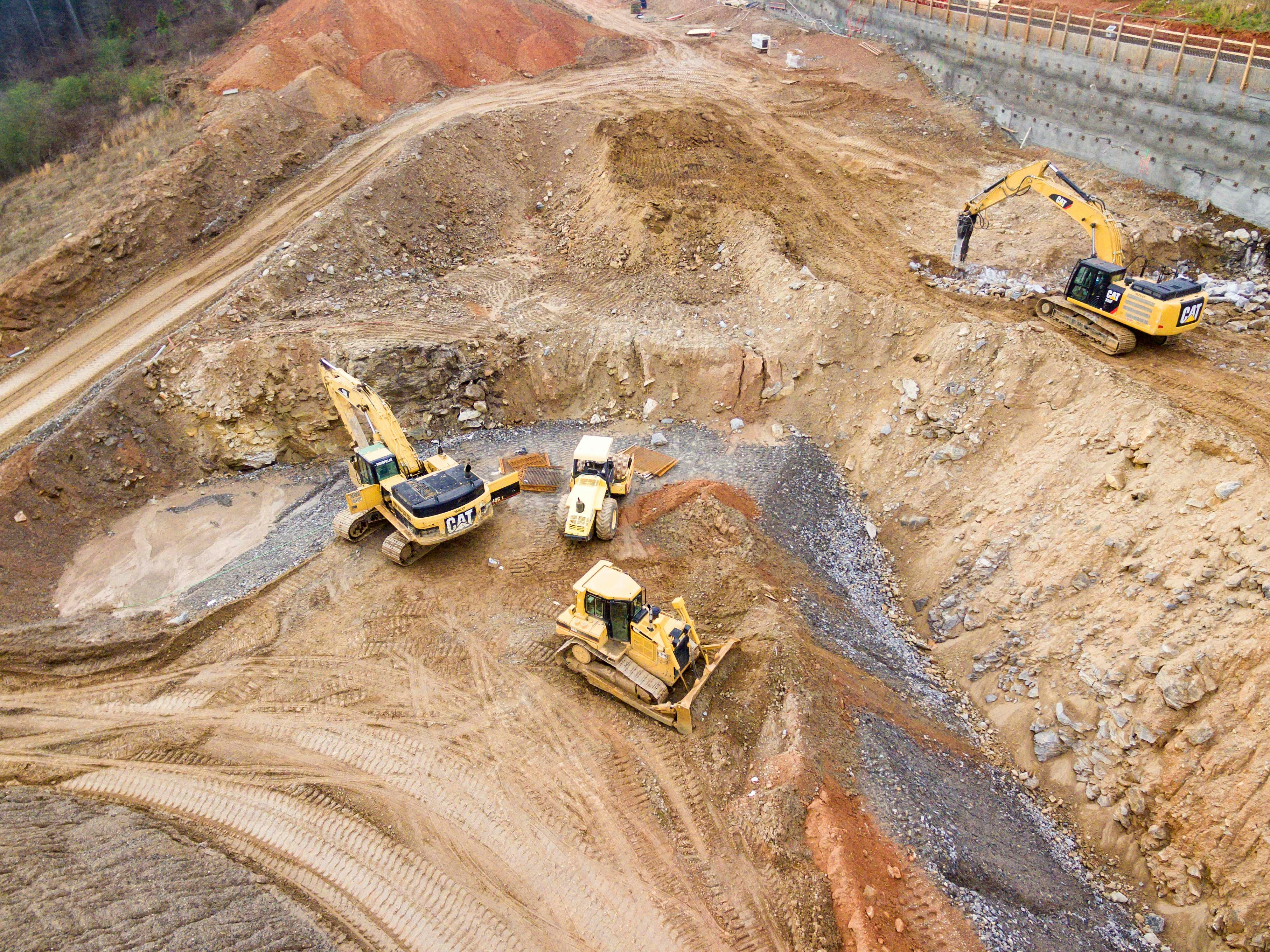
- Contractor Selection: We match your project with licensed contractors who have the right equipment (excavators, bulldozers, scrapers, haul trucks, dewatering systems) and experience for large-scale earthmoving in Broward County, including expertise with high water table conditions, coastal soils, flood zone requirements, and storm event protection.
- Dewatering Setup: For excavations requiring dewatering, contractors set up dewatering systems in compliance with SFWMD Environmental Resource Permit requirements for activities affecting state waters, ensuring proper water quality management and discharge compliance. The applicant must have all applicable SFWMD permits before proceeding with dewatering operations.
- Cut Operations: Contractors perform excavation from high areas, removing material for use as fill or export, in compliance with Broward County requirements. Cut operations establish general site grades and prepare material for placement, ensuring compliance with storm event protection requirements and environmental regulations.
- Fill Operations: Fill material is placed in low areas with proper compaction to achieve required elevations, meeting Base Flood Elevation (BFE) requirements and storm event protection (100-year, 3-day storm event for structures) for properties in flood zones. Fill operations use material from cut areas or imported fill, with proper sequencing for efficiency and environmental compliance.
- Site Balancing: Coordinated cut and fill operations balance site elevations while minimizing material import and export, meeting Broward County stormwater management requirements and Natural Resource Protection Code compliance. Site balancing maximizes use of on-site material while ensuring proper drainage and compliance with regulatory requirements.
- Final Grading and As-Built Survey: Final grading operations achieve exact elevations specified in engineering drawings, meeting storm event protection requirements. Final as-built surveys prepared by Florida-licensed surveyors or professional engineers are submitted upon completion, showing final elevations, cut and fill volumes, and compliance with all permit conditions.
Frequently Asked Questions
What permits are required for mass excavation in Broward County?
Mass excavation projects in Broward County require development permits (Florida Statute 380.04) obtained prior to building permit issuance, Fill, Excavation and Site Grading Permits (Level 1, Level 2, or Level 3 depending on project scope), Development & Environmental Review (DER) through ePermits OneStop, SFWMD Environmental Resource Permits for activities affecting state waters and wetlands, Natural Resource Protection Code compliance, drainage district approvals (CBWCD or SBDD) where applicable, and FEMA compliance permits for properties in flood zones. All DER submittals are only accepted electronically. We help identify and coordinate all required permits.
What are the different levels of Fill, Excavation and Site Grading Permits in Broward County?
Broward County's Fill, Excavation and Site Grading Permits operate on three levels. Level 1 involves no permit fee but has a $75 penalty if violations occur, applies to minimal filling activities, and requires Broward County Development and Environmental Regulation Division approval. Level 2 requires a $75 permit fee with a $150 penalty and involves both Broward County and the applicable drainage authority review. Level 3 requires a $150 permit fee with a $300 per day penalty and involves comprehensive review by Broward County, the applicable drainage authority, and town engineering for projects with significant environmental or drainage impacts.
How does Broward County's high water table affect mass excavation?
Broward County's high water table, which can be within 2-3 feet of the surface in many areas, requires dewatering systems for deep excavations. SFWMD Environmental Resource Permits are required for dewatering activities affecting state waters. The applicant must have all applicable SFWMD permits before proceeding with dewatering operations. Cut operations may encounter water, requiring proper dewatering and water management, especially in areas like Fort Lauderdale, Hollywood, and coastal neighborhoods. This adds complexity and cost to mass excavation projects.
What is the difference between cut and fill in mass excavation?
Cut refers to removing earth from higher elevations, while fill refers to adding earth to lower elevations. Cut and fill operations balance site elevations by moving earth from high areas to low areas. Site balancing maximizes use of on-site material, minimizing the need to import or export material. In Broward County, cut and fill operations must account for high water table conditions, flood zone requirements, storm event protection (100-year, 3-day storm event for structures), and may require SFWMD Environmental Resource Permits and Natural Resource Protection Code compliance for significant land disturbance.
How much does mass excavation cost in Broward County?
Mass excavation costs in Broward County vary significantly based on volume, soil conditions, dewatering requirements, and site access. Typical costs range from $5-15 per cubic yard for simple excavation to $20-40+ per cubic yard for complex projects with dewatering, difficult access, flood zone considerations, or special handling requirements. Projects requiring extensive dewatering or working in wetlands often cost more due to additional permit requirements (SFWMD Environmental Resource Permits) and specialized techniques. Broward County permit processing, including DER review through ePermits OneStop, can add time and costs. Large projects may have volume discounts.