Stump Removal and Grubbing in Fort Lauderdale, FL
Complete removal of tree stumps and root systems across Broward County, from Fort Lauderdale to Hollywood, Weston to Plantation, Coral Ridge to Victoria Park
Free Fast Quote
Please fill out this form to request a free quote on your upcoming project and we will respond to you right away!
Who This Service Is For
Stump removal and grubbing services in Broward County are essential for developers, custom home builders, general contractors, and property owners who need complete site preparation after tree removal across Broward County neighborhoods including Fort Lauderdale, Hollywood, Weston, Plantation, Pembroke Pines, Coral Springs, Parkland, Davie, Victoria Park, Coral Ridge, Harbor Beach, and throughout Broward County.
Whether you've cleared trees from your site or inherited a property with existing stumps, complete stump removal and grubbing ensures sites are ready for construction. We coordinate contractors with the right equipment to remove stumps and root systems completely, preventing future settling problems, with attention to Broward County high water table conditions and coastal soil characteristics.
Typical Project Sizes in Broward County
Stump removal and grubbing in Broward County typically ranges from $15,000 to $50,000 for residential lots, and $50,000 to $180,000+ for large commercial sites or properties with many large stumps depending on stump quantity, size, root system complexity, and Broward County high water table conditions which may require additional dewatering during grubbing operations (SFWMD Environmental Resource Permits).
What Stump Removal and Grubbing Includes
Stump Assessment
Evaluation of stumps and root systems to determine removal requirements in Broward County. Assessment identifies stump sizes, root system extent, removal methods needed, and high water table considerations that may affect grubbing operations.
DER Permit Coordination
Coordination of Broward County Development & Environmental Review (DER) through ePermits OneStop for applicable building permits. Stump removal may require tree removal permits if associated with tree removal, and grubbing operations may require additional permits depending on scope and site conditions. All DER submittals are only accepted electronically.
Stump Grinding
Grinding of stumps below ground level using specialized stump grinding equipment. Stump grinding removes stumps efficiently and prepares areas for root system removal, with attention to Broward County high water table conditions.
Root System Removal
Complete removal of root systems (grubbing) to eliminate all organic material. Root system removal prevents decomposition that could cause settling under foundations or paved areas, with thorough grubbing to depths appropriate for Broward County soil conditions.
Excavation and Removal
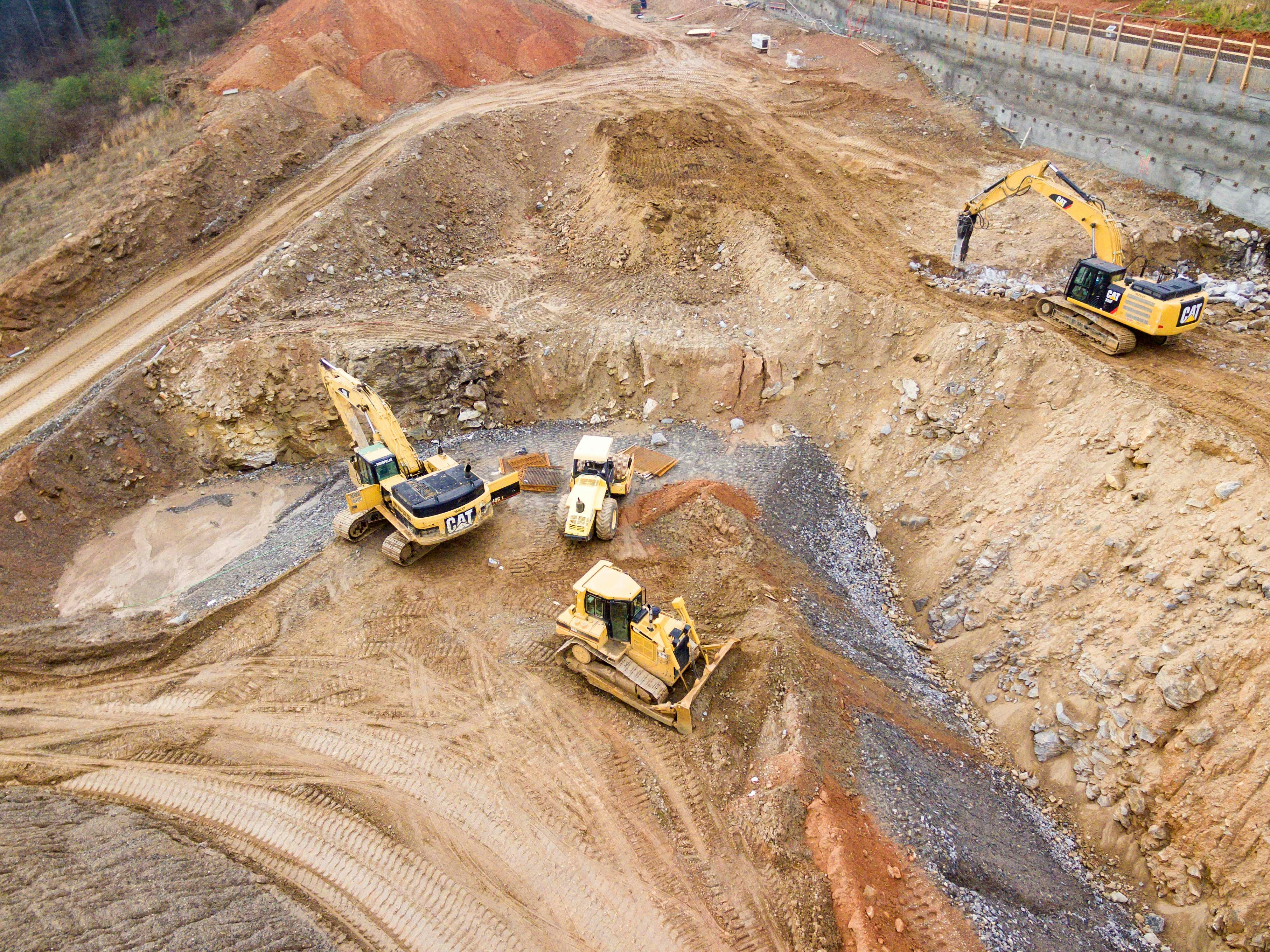
Excavation and removal of large stumps and root systems using excavators and heavy equipment. Excavation ensures complete removal of all organic material from sites, with attention to Broward County coastal soil characteristics and high water table conditions.
Dewatering for High Water Table
Dewatering operations for grubbing in areas with high water table conditions. Broward County's high water table may require dewatering during grubbing operations, and may require SFWMD Environmental Resource Permits for dewatering activities.
Debris Removal
Removal and disposal of ground stumps, roots, and organic debris according to Broward County regulations. Debris removal ensures sites are clean and ready for construction activities, with proper disposal at approved facilities.
Site Preparation
Preparation of grubbed sites for subsequent construction activities. Site preparation includes backfilling stump holes, rough grading, and coordination with grading and construction activities, with attention to Broward County soil compaction requirements and storm event protection (100-year, 3-day storm event for structures; 10-year, 3-day storm event for roadways and parking lots).
Coastal Soil Considerations
Specialized grubbing techniques for Broward County coastal soil conditions. Coastal areas have unique soil characteristics that affect grubbing operations, requiring appropriate equipment and methods for complete root system removal.
Why Stump Removal and Grubbing Is Important
Complete stump removal and grubbing is critical for preventing future problems in Broward County:
- Foundation Protection: Decomposing organic material from stumps and roots can cause settling under foundations, leading to structural problems. Complete grubbing eliminates this risk and ensures stable foundation support, critical in Broward County with high water table conditions that can accelerate decomposition.
- Pavement Protection: Organic material under paved areas can decompose and cause settling, leading to cracks and pavement failure. Grubbing prevents these problems and ensures stable pavement support, essential for Broward County roads and driveways with storm event protection (10-year, 3-day storm event for roadways and parking lots).
- Site Stability: Complete removal of root systems ensures stable site conditions for construction. Grubbing eliminates voids and organic material that could affect site stability, particularly important in Broward County with high water table and coastal soil conditions.
- Drainage Improvement: Removing stumps and roots improves site drainage by eliminating obstructions. Improved drainage prevents water accumulation and related problems, critical in Broward County with frequent heavy rainfall, storm event protection requirements, and flood zone considerations.
- Construction Readiness: Complete grubbing prepares sites for construction activities including grading, foundation work, and infrastructure installation. Sites are ready for development after grubbing, with proper attention to Broward County permit requirements and storm event protection.
- Long-Term Stability: Grubbing prevents long-term settling problems that could affect structures and paved areas. Complete removal ensures sites remain stable over time, essential in Broward County with high water table and coastal conditions.
Broward County Grubbing Considerations
Stump removal and grubbing in Broward County requires attention to local conditions and regulatory requirements:
- High Water Table: Broward County's high water table can affect grubbing operations and may require dewatering. Water table conditions determine grubbing methods and may affect root system removal, with SFWMD Environmental Resource Permits required for dewatering activities. High water table conditions can make grubbing more challenging and may require specialized equipment.
- Coastal Soil Conditions: Coastal areas in Broward County have unique soil characteristics including sandy soils, limestone bedrock, and organic material that affect grubbing operations. Soil conditions determine equipment requirements and grubbing methods, with attention to complete root system removal in coastal environments.
- Root System Extent: South Florida trees often have extensive root systems that require thorough grubbing. Complete root system removal ensures no organic material remains, with typical grubbing depths of 2-4 feet, and deeper removal for large trees or areas with specific requirements. Broward County's tropical climate results in extensive root systems that require comprehensive grubbing.
- DER Permit Requirements: Stump removal and grubbing operations may require Broward County Development & Environmental Review (DER) through ePermits OneStop, especially if associated with tree removal or involving dewatering. Tree removal permits may cover stump removal, and SFWMD Environmental Resource Permits may be required for dewatering during grubbing operations. All DER submittals are only accepted electronically. Permits are valid for 180 days from the date of issuance. We help identify and coordinate all required permits.
- Natural Resource Protection Code: Broward County's Natural Resource Protection Code (Chapter 27) regulates environmental activities and enforces requirements for development in environmentally sensitive areas. Grubbing operations must comply with these requirements, with proper environmental protection measures.
- Debris Disposal: Proper disposal of ground stumps, roots, and organic debris must comply with Broward County regulations. Debris may be recycled, mulched, or disposed of at approved facilities, with attention to local waste management requirements.
- Site Restoration: After grubbing, sites require backfilling and restoration. Site restoration ensures proper site conditions for subsequent construction activities, with attention to Broward County soil compaction requirements, drainage considerations, and storm event protection (100-year, 3-day storm event for structures; 10-year, 3-day storm event for roadways and parking lots).
- Flood Zone Considerations: Properties in flood zones may have additional requirements for grubbing operations. Flood zone compliance ensures proper site preparation and may affect grubbing depths and methods, with storm event protection requirements.
- Limestone Bedrock: Broward County's limestone bedrock can affect grubbing operations, requiring specialized equipment and techniques. Limestone bedrock may limit grubbing depths and require alternative methods for root system removal.
The Stump Removal and Grubbing Process in Broward County
Our coordinated approach ensures your stump removal and grubbing project in Broward County is completed thoroughly and efficiently:
- Stump Assessment: We assess your site to identify stumps and root systems requiring removal. Assessment includes reviewing stump sizes, root system extent, removal methods needed, and Broward County high water table and soil conditions that may affect grubbing operations.
- Development Permit Coordination: We help identify required development permits as described in Florida Statute 380.04, which must be obtained prior to the issuance of building permits for stump removal and grubbing projects in Broward County.
- Broward County Permit Coordination: We help identify required permits including Uniform Building Permit Applications (updated November 14, 2025), Development & Environmental Review (DER) through ePermits OneStop, SFWMD Environmental Resource Permits for dewatering during grubbing operations, Natural Resource Protection Code compliance, and coordinate with regulatory agencies. All DER submittals are only accepted electronically. Permits are valid for 180 days from the date of issuance. Permits ensure compliance with Broward County regulations.
- Contractor Selection: We match your project with licensed contractors who have the right equipment (stump grinders, excavators, bulldozers, dewatering equipment) and experience for stump removal and grubbing in Broward County conditions.
- Dewatering (if required): For sites with high water table conditions, contractors perform dewatering operations with SFWMD Environmental Resource Permits. Dewatering ensures proper grubbing conditions and prevents water-related complications.
- Stump Removal: Contractors remove stumps using grinding or excavation methods. Stump removal eliminates above-ground stumps and prepares areas for root system removal, with attention to Broward County soil conditions.
- Root System Grubbing: Contractors perform grubbing to remove root systems completely. Grubbing eliminates all organic material and prevents future settling problems, with typical depths of 2-4 feet, and deeper removal for large trees or areas with specific requirements.
- Debris Removal: All ground stumps, roots, and organic debris are removed from sites according to Broward County regulations. Debris removal ensures sites are clean and ready for construction, with proper disposal at approved facilities.
- Site Restoration: After grubbing, sites are backfilled and restored. Site restoration prepares areas for subsequent construction activities including grading and foundation work, with attention to Broward County soil compaction requirements, drainage considerations, and storm event protection (100-year, 3-day storm event for structures; 10-year, 3-day storm event for roadways and parking lots).
Broward County Service Areas
We coordinate stump removal and grubbing services across Broward County, including:
Broward County Neighborhoods
- Fort Lauderdale
- Hollywood
- Weston
- Plantation
- Pembroke Pines
- Coral Springs
- Parkland
- Davie
- Miramar
- Victoria Park
- Coral Ridge
- Harbor Beach
- Pompano Beach
- Deerfield Beach
- Lauderdale-by-the-Sea
- Las Olas Boulevard
- Downtown Fort Lauderdale
- Fort Lauderdale Beach
- Hollywood Beach
- Pompano Beach
Frequently Asked Questions
What is the difference between stump removal and grubbing?
Stump removal refers to removing the visible stump above or at ground level, while grubbing refers to removing the entire root system below ground. Complete site preparation requires both stump removal and grubbing to eliminate all organic material that could decompose and cause settling problems. In Broward County, thorough grubbing is essential due to high water table conditions that can accelerate decomposition.
Why is grubbing important for construction in Broward County?
Grubbing is important because decomposing organic material from roots can cause settling under foundations and paved areas, leading to structural problems and pavement failure. Complete grubbing eliminates this risk and ensures stable site conditions for construction. Broward County's high water table and frequent heavy rainfall can accelerate decomposition, making thorough grubbing even more critical, especially with storm event protection requirements (100-year, 3-day storm event for structures; 10-year, 3-day storm event for roadways and parking lots).
How much does stump removal and grubbing cost in Broward County?
Stump removal and grubbing costs in Broward County vary based on stump quantity, size, root system complexity, and high water table conditions. Typical residential lots range from $15,000 to $50,000, while large commercial sites or properties with many large stumps can range from $50,000 to $180,000+ depending on scope. High water table conditions may require additional dewatering costs (SFWMD Environmental Resource Permits). Factors affecting cost include stump sizes, root system extent, site access, and Broward County soil conditions. Broward County permit processing through ePermits OneStop can add time and costs.
How deep do root systems need to be removed in Broward County?
Root systems should be removed to a depth that eliminates all organic material in areas where foundations or paved areas will be constructed. Typical grubbing removes roots to depths of 2-4 feet, with deeper removal for large trees or areas with specific requirements. Engineering specifications may specify exact grubbing depths. Broward County's high water table and coastal soil conditions may affect grubbing depths and methods, with consideration of storm event protection requirements.
Do I need permits for stump removal and grubbing?
Stump removal and grubbing operations may require Broward County Development & Environmental Review (DER) through ePermits OneStop, especially if associated with tree removal or involving dewatering. Tree removal permits may cover stump removal, and SFWMD Environmental Resource Permits may be required for dewatering during grubbing operations in areas with high water table conditions. Development permits (Florida Statute 380.04) may be required for projects involving development work. All DER submittals are only accepted electronically. Permits are valid for 180 days from the date of issuance. We help identify and coordinate all required permits.
How long does stump removal and grubbing take in Broward County?
Stump removal and grubbing timelines in Broward County vary based on stump quantity, size, root system complexity, and high water table conditions. Typical residential lots take 2-5 days, while large commercial sites may take 1-2 weeks depending on scope. High water table conditions requiring dewatering may add time to projects. Weather conditions, permit processing through ePermits OneStop, and site access can affect timelines. We coordinate with contractors to complete projects efficiently.