Drainage and Stormwater Solutions in Miami, FL
Comprehensive drainage and stormwater management systems for flood-prone and coastal properties across Miami-Dade County
Free Fast Quote
Please fill out this form to request a free quote on your upcoming project and we will respond to you right away!
Who This Service Is For
Our drainage and stormwater solutions in Miami-Dade County serve property owners experiencing flooding, standing water, or drainage problems, as well as developers and builders who need stormwater management systems for new construction in Miami-Dade County.
Whether you're dealing with existing drainage problems on your property in Miami Beach, need comprehensive stormwater management for a new development in Doral, or require specialized coastal drainage solutions in Key Biscayne, we coordinate contractors with expertise in Miami-Dade County drainage requirements, DERM regulations, and SFWMD compliance, including the 25-year, 3-day storm event design criteria and Flood Protection Level of Service (FPLOS) and Water Quality Level of Service (WQLOS) standards.
Typical Project Sizes in Miami-Dade County
Drainage projects in Miami-Dade County typically start around $25,000 for residential French drain systems and can range from $50,000 to $250,000+ for comprehensive stormwater management systems, retention ponds, or large-scale commercial drainage installations. Projects requiring extensive dewatering, working in flood zones, or meeting FPLOS/WQLOS standards often cost more due to additional permit requirements and specialized techniques.
What Drainage and Stormwater Solutions Include in Miami-Dade County
Our comprehensive drainage services cover all aspects of stormwater management in Miami-Dade County:
Site Regrading for Drainage
Regrading sites to improve water flow and eliminate standing water, meeting Miami-Dade County's on-site retention requirements and FPLOS/WQLOS standards. Essential for flood-prone properties in Miami-Dade County.
French Drains and Underdrain Systems
Installation of French drains and subsurface drainage systems to manage high water table conditions, especially important in Miami-Dade County where groundwater is often close to the surface. Meets DERM and SFWMD requirements.
Stormwater Inlets and Piping
Installation of catch basins and underground stormwater piping sized for the 25-year, 3-day storm event, meeting Miami-Dade County's stormwater management requirements and FPLOS standards.
Swales, Ditches and Outfalls
Construction of swales, ditches, and outfall structures designed for on-site retention and groundwater recharge, meeting Miami-Dade County's priority for groundwater recharge over simple discharge. Meets DERM requirements.
Retention and Detention Basins
Design and construction of stormwater retention and detention basins sized for the 25-year, 3-day storm event, meeting FPLOS and WQLOS standards. Essential for large-scale developments in Miami-Dade County.
Flood-Prone and Coastal Property Drainage
Specialized drainage solutions for flood-prone and coastal properties, including compliance with Base Flood Elevation (BFE) requirements and DERM environmental protection standards. Essential for properties in flood zones AE, VE, AH, and AO.
Miami-Dade County Drainage Considerations
Drainage in Miami-Dade County requires specialized knowledge of local conditions and regulatory requirements. Our coordinated network of licensed contractors understands the specific requirements for working in Miami-Dade County:
- DERM as Primary Reviewing Authority: DERM (Department of Environmental Resources Management) serves as the primary county agency overseeing stormwater regulation and permitting in Miami-Dade County. The system operates under state regulations supplemented by DERM enforcement through Florida's regulatory framework. For municipalities operating within the county, coordination occurs between DERM and local jurisdictions. Projects must obtain DERM Plan Review Approval for projects requiring Miami-Dade Review under Chapter 24.
- 25-Year, 3-Day Storm Event Design Criteria: Miami-Dade County requires developers to design stormwater systems for the 25-year, 3-day storm event as a baseline design standard. This addresses the intensity and duration of rainfall that stormwater infrastructure must accommodate. Drainage systems must be sized to handle this design storm, with proper storage volumes and discharge rates. This requirement was implemented as part of the revised ordinance effective March 31, 2025.
- Flood Protection Level of Service (FPLOS) and Water Quality Level of Service (WQLOS):Miami-Dade County implements dual performance standards known as Level of Service (LOS) criteria. FPLOS ensures proper flood protection to prevent property damage and maintain public safety, while WQLOS addresses water quality impacts by ensuring stormwater is clean of contaminants before discharge or recharge. Drainage systems must meet both components to achieve compliance.
- On-Site Retention with Groundwater Recharge: Miami-Dade County's approach prioritizes on-site retention with groundwater recharge over simple detention and discharge. This means drainage systems are designed to encourage water infiltration into the aquifer rather than rapid removal from the site. Permeable swales and alternative drainage materials are encouraged to enhance stormwater infiltration and environmental protection.
- High Water Table: Miami-Dade's high water table means groundwater is often within 2-3 feet of the surface, requiring subsurface drainage systems and proper elevation of structures above groundwater levels. French drains and underdrain systems are essential for managing high water table conditions, especially in areas like Miami Beach, Aventura, and coastal neighborhoods.
- SFWMD Environmental Resource Permits: Many drainage projects require permits from the South Florida Water Management District (SFWMD), especially those involving land disturbance or connections to surface waters. We coordinate all required SFWMD permits.
- Flood Zone Compliance: Properties in flood zones (AE, VE, AH, AO) must have drainage systems that comply with FEMA requirements and Miami-Dade building codes, including proper elevation of structures and drainage features to meet Base Flood Elevation (BFE) requirements. Drainage systems must be designed to handle flood zone conditions effectively.
- Impervious Surface Regulations: Miami-Dade County has implemented ordinances addressing impervious surfaces and paving regulations, with permits required for new paving installations on properties (effective March 31, 2025). These permits ensure materials allow proper stormwater drainage within properties and prevent runoff onto neighboring properties. Drainage system design must account for impervious surface area in the watershed.
- Coastal Conditions: Coastal properties in Miami-Dade including Miami Beach, Key Biscayne, Bal Harbour, and Aventura face additional challenges including saltwater intrusion, storm surge, and unique soil conditions that affect drainage system design and materials. Specialized drainage solutions are required for coastal properties.
The Drainage Solution Process in Miami-Dade County
Our coordinated approach ensures your drainage project addresses the root cause and meets all Miami-Dade County regulatory requirements:
- Problem Assessment: We assess your drainage problems, identify water sources and flow patterns, and determine the most effective solution approach specific to Miami-Dade County conditions including flood zone analysis, water table assessment, and FPLOS/WQLOS requirements.
- Design and Planning: We coordinate with engineers and contractors to design drainage systems that address your specific problems and meet Miami-Dade County regulatory requirements, including the 25-year, 3-day storm event design criteria and FPLOS/WQLOS standards. Design prioritizes on-site retention with groundwater recharge.
- Miami-Dade Permit Coordination: We help identify required permits including DERM Plan Review Approval (for projects requiring Miami-Dade Review under Chapter 24), SFWMD environmental resource permits for land disturbance, RER building permits, impervious surface permits where applicable, and coordinate with regulatory agencies. Permits ensure compliance with stormwater management requirements.
- Contractor Selection: We match your project with licensed contractors who have expertise in drainage installation, DERM compliance, and SFWMD requirements in Miami-Dade County, including experience with high water table conditions, flood zone requirements, and FPLOS/WQLOS standards.
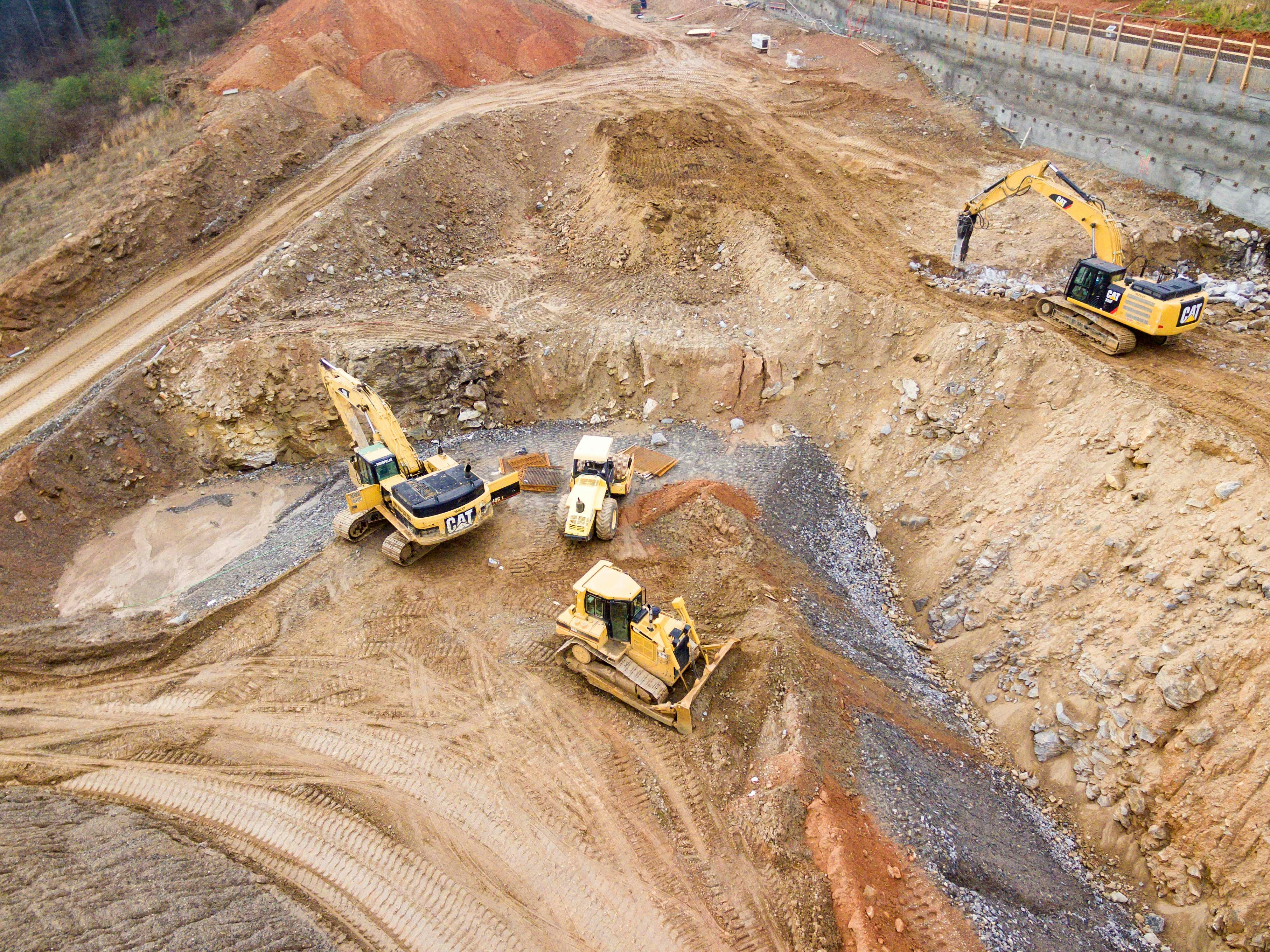
- Installation: Contractors install drainage systems including excavation, pipe installation, inlet placement, and connections to outfalls or retention areas, meeting Miami-Dade County requirements. Installation ensures proper water flow, on-site retention, and groundwater recharge where applicable.
- Final Inspection: We coordinate final inspections with DERM, SFWMD, and Miami-Dade RER or municipal building departments to ensure drainage systems meet specifications and regulatory requirements including FPLOS and WQLOS standards. Systems are ready for operation after final approval.
Frequently Asked Questions
What permits are required for drainage work in Miami-Dade County?
Drainage projects in Miami-Dade County require DERM Plan Review Approval for projects requiring Miami-Dade Review under Chapter 24. SFWMD environmental resource permits may be required for land disturbance or connections to surface waters. RER building permits may be required for drainage installations. Impervious surface permits are required for new paving installations (effective March 31, 2025). We help identify and coordinate all required permits.
What is the 25-year, 3-day storm event requirement in Miami-Dade County?
Miami-Dade County requires developers to design stormwater systems for the 25-year, 3-day storm event as a baseline design standard. This addresses the intensity and duration of rainfall that stormwater infrastructure must accommodate. Drainage systems must be sized to handle this design storm, with proper storage volumes and discharge rates to meet both Flood Protection Level of Service (FPLOS) and Water Quality Level of Service (WQLOS) standards. This requirement was implemented as part of the revised ordinance effective March 31, 2025.
What are FPLOS and WQLOS requirements in Miami-Dade County?
Miami-Dade County implements dual performance standards: Flood Protection Level of Service (FPLOS) ensures proper flood protection to prevent property damage and maintain public safety, while Water Quality Level of Service (WQLOS) addresses water quality impacts by ensuring stormwater is clean of contaminants before discharge or recharge. Drainage systems must meet both components to achieve compliance. Design prioritizes on-site retention with groundwater recharge over simple detention and discharge.
How much does drainage installation cost in Miami-Dade County?
Drainage installation costs in Miami-Dade County vary based on system type, size, site conditions, and regulatory requirements. Simple French drain systems typically range from $25,000 to $75,000, while comprehensive stormwater management systems can range from $100,000 to $250,000+ depending on scope, complexity, FPLOS/WQLOS requirements, and dewatering needs. Projects requiring extensive dewatering, working in flood zones, or meeting FPLOS/WQLOS standards often cost more due to additional permit requirements and specialized techniques.
Can drainage fix flooding problems in Miami-Dade County?
Yes, properly designed and installed drainage systems can effectively address flooding problems in Miami-Dade County by collecting and redirecting water away from structures and low-lying areas, meeting FPLOS and WQLOS standards. The solution depends on the specific cause of flooding, which may include poor site grading, inadequate drainage, high groundwater levels, or flood zone conditions. Drainage systems must be designed for the 25-year, 3-day storm event and prioritize on-site retention with groundwater recharge as required by Miami-Dade County.
Sub-Services
Explore our specialized drainage and stormwater solutions in Miami-Dade County:
Site Regrading for Drainage
Regrading sites to improve water flow and eliminate standing water in Miami-Dade County
French Drains and Underdrain Systems
Installation of French drains and subsurface drainage systems in Miami-Dade County
Stormwater Inlets and Piping
Installation of catch basins and underground stormwater piping in Miami-Dade County
Swales, Ditches and Outfalls
Construction of swales, ditches, and outfall structures in Miami-Dade County
Retention and Detention Basins
Design and construction of stormwater retention and detention basins in Miami-Dade County
Flood-Prone and Coastal Property Drainage
Specialized drainage solutions for flood-prone and coastal properties in Miami-Dade County