Excavation and Earthwork in Miami, FL
Mass excavation, cut and fill operations, utility trenching, and earthmoving services across Miami-Dade County
Free Fast Quote
Please fill out this form to request a free quote on your upcoming project and we will respond to you right away!
Who This Service Is For
Our excavation and earthwork services in Miami-Dade County serve general contractors, developers, custom home builders, commercial property owners, and infrastructure projects that require significant earthmoving and excavation work in Miami-Dade County.
Whether you need mass excavation for a large development in Doral, utility trenching for infrastructure in Aventura, or cut and fill operations to balance site elevations in Coral Gables, we coordinate licensed contractors with the right equipment and expertise for your project scope, navigating Miami-Dade RER, DERM, and SFWMD requirements with specialized knowledge of high water table conditions.
Typical Project Sizes in Miami-Dade County
Excavation and earthwork projects in Miami-Dade County typically start around $25,000 for residential foundation work and can range from $50,000 to $500,000+ for large-scale commercial mass excavation, cut and fill operations, or infrastructure projects. Projects requiring extensive dewatering, working in flood zones, or involving freshwater wetlands often cost more due to additional permit requirements and specialized techniques.
What Excavation and Earthwork Includes in Miami-Dade County
Our comprehensive excavation services cover all aspects of earthwork in Miami-Dade County:
Mass Excavation and Cut/Fill
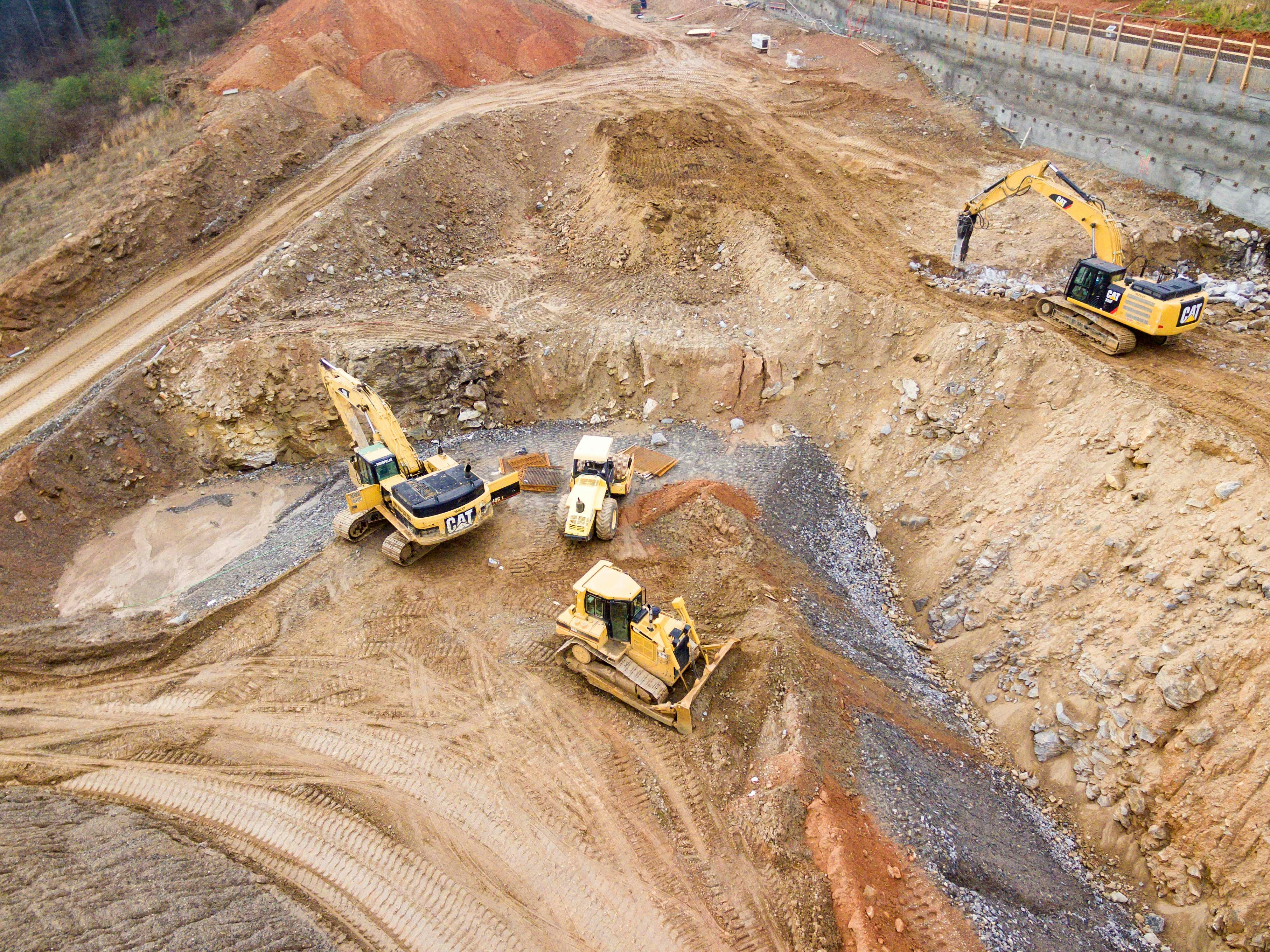
Large-scale excavation and earthmoving for commercial and residential developments, including cut and fill operations to balance site elevations. Specialized techniques for Miami-Dade's high water table conditions, including dewatering systems where required.
Foundation and Footing Excavation
Precision excavation for building foundations and footings, accounting for Miami-Dade's high water table and coastal soil conditions. Includes proper dewatering and shoring to ensure stable excavation walls.
Utility Trench Excavation
Trenching for water, sewer, electrical, and telecommunications utilities throughout Miami-Dade County. Coordination with utility companies and proper utility location before excavation, meeting Miami-Dade requirements for utility installation.
Retention and Detention Ponds
Excavation and construction of stormwater management ponds to meet South Florida Water Management District (SFWMD) and Miami-Dade County requirements. Includes proper pond shaping, depth control, and integration with drainage systems.
Swales and Drainage Features
Excavation of swales, ditches, and drainage features to direct water flow and manage stormwater. Essential for flood-prone properties in Miami-Dade County, meeting SFWMD and county stormwater management requirements.
Fill Import, Export and Hauling
Coordination of fill material import, export, and hauling operations for site balancing and elevation adjustments. Especially important for properties in flood zones requiring significant fill material to meet Base Flood Elevation (BFE) requirements.
Miami-Dade County Excavation Considerations
Excavation in Miami-Dade County presents unique challenges that require specialized expertise and equipment. Our coordinated network of licensed contractors understands the specific requirements for working in Miami-Dade County:
- High Water Table and Dewatering: Miami-Dade's high water table, which can be within 2-3 feet of the surface in many areas, requires dewatering systems for deep excavations. DERM Class V Permits are required for temporary dewatering or whenever water is removed from an excavation to ensure that sediment, turbidity, and contaminants are removed before discharge. Proper dewatering prevents water intrusion and ensures stable excavation walls, especially in areas like Miami Beach, Aventura, and coastal neighborhoods.
- DERM Environmental Permits: Excavation projects requiring Miami-Dade Review under Miami-Dade County Code of Ordinances Chapter 24 must obtain DERM Plan Review Approval prior to issuance of a building permit. Projects involving freshwater wetlands require DERM Class IV Permits, which may be subject to a full public hearing before the Board of County Commissioners if they don't meet short form criteria.
- RER Building Permits: Excavation projects require building permits from Miami-Dade RER (for unincorporated areas) or municipal building departments (for incorporated areas like Coral Gables or Pinecrest). Effective October 1, 2025, Miami-Dade implemented updated permit fees. Permit applications can be submitted online through the Miami-Dade ePermitting system.
- Coastal Soil Conditions: Coastal areas in Miami-Dade including Miami Beach, Key Biscayne, Bal Harbour, and Aventura have unique soil characteristics including limestone bedrock, sandy soils, and organic materials that affect excavation techniques and equipment selection. Our contractors are experienced with these conditions.
- Flood Zone Requirements: Excavations in flood zones must comply with FEMA requirements and may require specific elevations and drainage features. Properties in flood zones often require significant fill material to meet Base Flood Elevation (BFE) requirements, affecting excavation depth and fill import needs.
- SFWMD Environmental Permits: Large-scale excavations or those near wetlands may require SFWMD environmental resource permits for land disturbance, especially near surface waters. We coordinate all required SFWMD permits.
- Utility Coordination: Excavation requires careful coordination with utility companies to locate and protect existing utilities before digging. Miami-Dade requires proper utility location and marking to prevent damage to water, sewer, electrical, and telecommunications infrastructure.
- Safety and Shoring: Deep excavations require proper shoring, sloping, or benching to prevent cave-ins and ensure worker safety per OSHA requirements. Miami-Dade's high water table and coastal soil conditions require specialized shoring techniques.
The Excavation Process in Miami-Dade County
Our coordinated approach ensures your excavation project is completed safely, efficiently, and in compliance with all Miami-Dade County requirements:
- Site Assessment and Planning: We review engineering drawings, survey data, and site conditions to plan excavation sequences and identify potential challenges, including flood zone analysis, water table assessment, and freshwater wetland identification specific to Miami-Dade County conditions.
- Miami-Dade Permit Coordination: We help identify required permits including Miami-Dade RER building permits, DERM Plan Review Approval (for projects requiring Miami-Dade Review under Chapter 24), DERM Class V Permits for dewatering, DERM Class IV Permits for freshwater wetlands, SFWMD environmental resource permits, and coordinate with regulatory agencies. Permit applications can be submitted online through the Miami-Dade ePermitting system.
- Utility Location: We coordinate with utility companies to locate and mark all underground utilities before excavation begins, ensuring compliance with Miami-Dade requirements for utility protection.
- Contractor Selection: We match your project with licensed contractors who have the right equipment (excavators, bulldozers, haul trucks, dewatering systems) and experience for your specific Miami-Dade County needs, including expertise with high water table conditions, coastal soils, and flood zone requirements.
- Dewatering Setup: For excavations requiring dewatering, contractors set up dewatering systems in compliance with DERM Class V Permit requirements, ensuring sediment, turbidity, and contaminants are removed before discharge.
- Excavation Execution: Contractors perform excavation with proper safety measures, dewatering if needed, and precise depth control per specifications. Proper shoring, sloping, or benching is implemented to prevent cave-ins, accounting for Miami-Dade's high water table and coastal soil conditions.
- Quality Control: We monitor progress to ensure excavations meet depth, width, and slope specifications and that soil conditions are suitable for intended use. Final inspections are coordinated with Miami-Dade RER or municipal building departments to ensure compliance with all permit conditions.
Frequently Asked Questions
What permits are required for excavation in Miami-Dade County?
Excavation projects in Miami-Dade County require building permits from Miami-Dade RER (for unincorporated areas) or municipal building departments (for incorporated areas). Projects requiring Miami-Dade Review under Chapter 24 must obtain DERM Plan Review Approval. DERM Class V Permits are required for temporary dewatering. Projects involving freshwater wetlands require DERM Class IV Permits. Large-scale excavations may require SFWMD environmental resource permits. Permit applications can be submitted online through the Miami-Dade ePermitting system. We help identify and coordinate all required permits.
What is a DERM Class V Permit for dewatering?
DERM Class V Permits are required in Miami-Dade County for temporary dewatering or whenever water is removed from an excavation, from the ground, or existing structure. These permits ensure that sediment, turbidity, and contaminants are removed before discharge. This is especially important given Miami-Dade's high water table, which often requires dewatering for deep excavations. We coordinate all DERM permit requirements for excavation projects.
How does Miami-Dade's high water table affect excavation?
Miami-Dade's high water table, which can be within 2-3 feet of the surface in many areas, requires dewatering systems for deep excavations. Proper dewatering prevents water intrusion and ensures stable excavation walls. DERM Class V Permits are required for dewatering operations. This is especially important in areas like Miami Beach, Aventura, and coastal neighborhoods where the water table is particularly high. Excavation techniques must account for saturated soils and potential water intrusion.
What is the difference between cut and fill in excavation?
Cut refers to removing earth from higher elevations, while fill refers to adding earth to lower elevations. Cut and fill operations balance site elevations by moving earth from high areas to low areas, minimizing the need to import or export material. In Miami-Dade County, cut and fill operations must account for high water table conditions, flood zone requirements, and may require DERM and SFWMD permits for significant land disturbance.
How much does mass excavation cost in Miami-Dade County?
Mass excavation costs in Miami-Dade County vary significantly based on volume, soil conditions, dewatering requirements, and site access. Typical costs range from $5-15 per cubic yard for simple excavation to $20-40+ per cubic yard for complex projects with dewatering, difficult access, flood zone considerations, or special handling requirements. Projects requiring extensive dewatering or working in freshwater wetlands often cost more due to additional permit requirements and specialized techniques.
Sub-Services
Explore our specialized excavation and earthwork services in Miami-Dade County:
Mass Excavation and Cut/Fill
Large-scale excavation and earthmoving for commercial and residential developments in Miami-Dade County
Foundation and Footing Excavation
Precision excavation for building foundations and footings in Miami-Dade County
Utility Trench Excavation
Trenching for water, sewer, electrical, and telecommunications utilities in Miami-Dade County
Retention and Detention Ponds
Excavation and construction of stormwater management ponds in Miami-Dade County
Swales and Drainage Features
Excavation of swales, ditches, and drainage features in Miami-Dade County
Fill Import, Export and Hauling
Coordination of fill material import, export, and hauling operations in Miami-Dade County