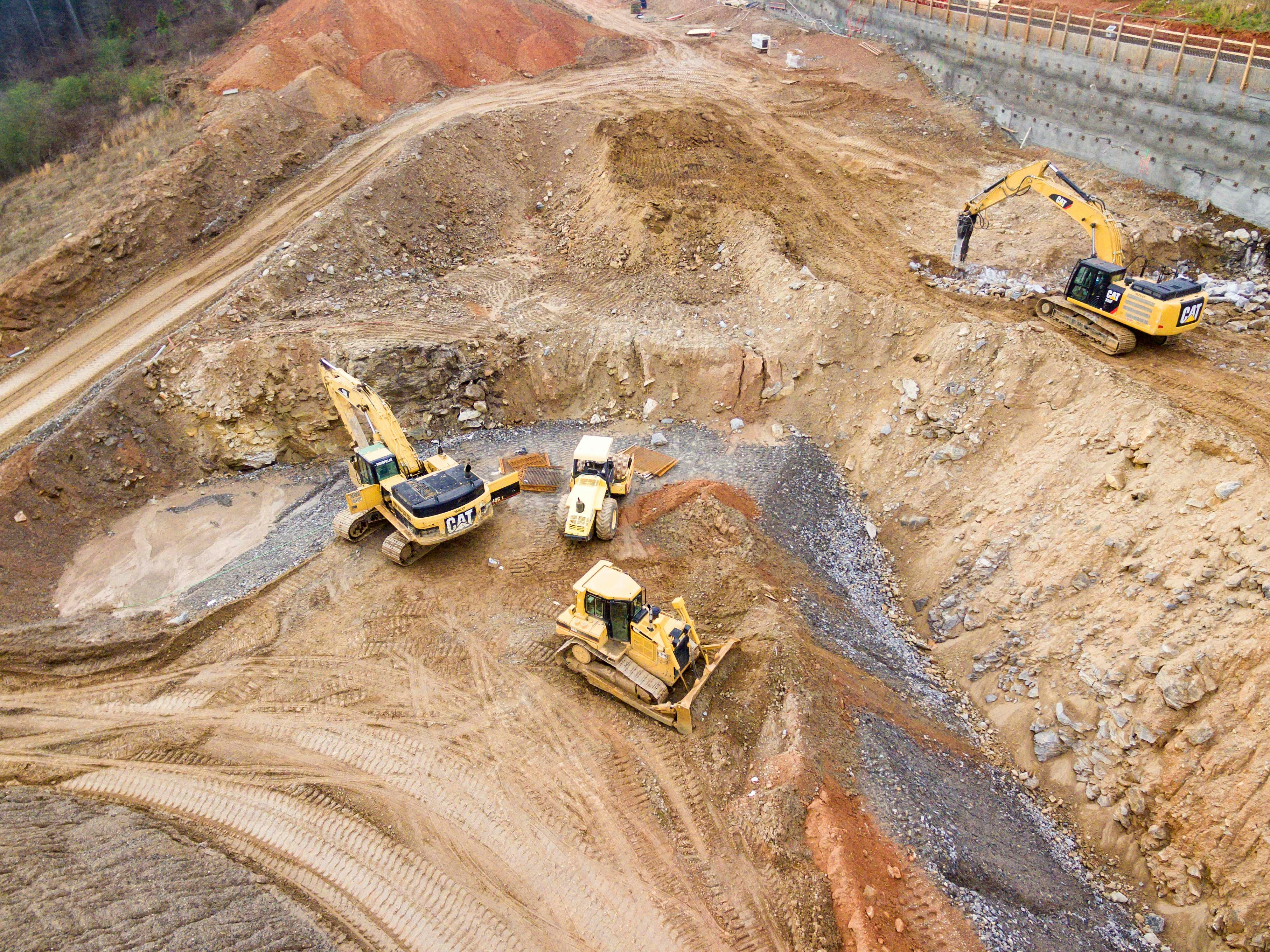
Mass Excavation and Cut/Fill in Miami, FL
Large-scale excavation and earthmoving for commercial and residential developments across Miami-Dade County
Free Fast Quote
Please fill out this form to request a free quote on your upcoming project and we will respond to you right away!
Who This Service Is For
Mass excavation and cut/fill services in Miami-Dade County are essential for developers, general contractors, subdivision developers, and anyone preparing large sites that require significant earthmoving to achieve proper elevations in Miami-Dade County.
Whether you're developing a new subdivision in Doral, commercial complex in Aventura, or preparing a large site for construction in Coral Gables, mass excavation and cut/fill operations balance site elevations efficiently. We coordinate licensed contractors with heavy equipment to handle large-scale earthmoving projects, navigating Miami-Dade DERM, RER, and SFWMD requirements with specialized knowledge of high water table conditions and regulatory restrictions.
Typical Project Sizes in Miami-Dade County
Mass excavation and cut/fill projects in Miami-Dade County typically range from $50,000 to $200,000 for smaller developments, and $200,000 to $1,000,000+ for large-scale commercial or subdivision projects depending on earthwork volume, site conditions, dewatering requirements, and required balancing operations. Projects requiring extensive dewatering, working in flood zones, or involving freshwater wetlands often cost more due to additional permit requirements and specialized techniques.
What Mass Excavation and Cut/Fill Includes in Miami-Dade County
Site Survey and Volume Calculations
Survey and calculation of cut and fill volumes to determine earthwork requirements specific to Miami-Dade County conditions. Volume calculations identify areas that need excavation (cut) and areas that need fill material to achieve proper site elevations, accounting for flood zone requirements and high water table considerations.
Cut Operations
Excavation of material from higher elevations to lower elevations, with proper dewatering systems where required due to Miami-Dade's high water table. Cut operations remove excess material from areas that are too high, preparing material for use as fill in lower areas or for export off-site, in compliance with DERM Source Removal/Soil Management Plans.
Fill Operations
Placement of fill material in low-lying areas to achieve proper elevations, with proper compaction for stability. Fill operations use material from cut areas or imported fill to raise low areas to required elevations, meeting Base Flood Elevation (BFE) requirements for properties in flood zones.
Site Balancing
Coordinated cut and fill operations to balance site elevations while minimizing import and export of material. Site balancing maximizes use of on-site material, reducing costs and environmental impact, while meeting Miami-Dade County stormwater management and drainage requirements.
Material Handling
Coordination of material movement, stockpiling, and placement in compliance with Miami-Dade County operational restrictions (7:00 a.m. to 5:00 p.m. on weekdays). Material handling ensures cut material is efficiently moved to fill areas or prepared for export, with proper sequencing to minimize double-handling and environmental impact.
Compaction and Final Grading
Proper compaction of fill material and final grading to achieve exact elevations per engineering specifications. Compaction ensures fill stability, especially important given Miami-Dade's high water table, while final grading creates precise elevations specified in engineering drawings. Final as-built surveys prepared by Florida-licensed surveyors or professional engineers are required upon completion.
Miami-Dade County Mass Excavation Considerations
Mass excavation and cut/fill operations in Miami-Dade County require specialized knowledge of local conditions and regulatory requirements:
- DERM Permitting and Source Removal Plans: Large-scale earthmoving operations in Miami-Dade County must comply with DERM letters and Source Removal/Soil Management Plans to ensure environmental protection. DERM letter guidance dated May 15, 2025, specifically addresses compliance requirements for excavation and soil management operations. Projects requiring Miami-Dade Review under Chapter 24 must obtain DERM Plan Review Approval prior to issuance of a building permit.
- High Water Table and Dewatering: Miami-Dade's high water table, which can be within 2-3 feet of the surface in many areas, affects excavation depth and requires dewatering systems for deep excavations. DERM Class V Permits are required for temporary dewatering to ensure that sediment, turbidity, and contaminants are removed before discharge. Cut operations may encounter water, requiring proper dewatering and water management, especially in areas like Miami Beach, Aventura, and coastal neighborhoods.
- Salt Barrier Line and Depth Restrictions: Excavation depths in Miami-Dade County are constrained by the salt barrier line and aquiclude penetration limits. Lake excavations cannot penetrate the aquiclude as determined by the Director of Environmental Resources Management, and minimum excavation depths must be at least 10 feet below mean low water elevation. The maximum depth is limited to depths that would contain water with 250 ppm chlorides as projected to the year 2000.
- Public Hearing Requirements: Excavations below street level in Miami-Dade County require public hearing approval, with specific exceptions for certain project types. Lake excavations west of the salt barrier line are allowed without a public hearing in areas within the developable boundaries of the adopted metropolitan development pattern map, whereas lake excavations east of the salt barrier line require public hearings.
- Operational Restrictions: Large-scale earthmoving projects must implement strict operational controls, including restricted operating hours of 7:00 a.m. to 5:00 p.m. on weekdays, with weekend and extended-hour operations permitted only if the Director determines they do not become objectionable to surrounding areas.
- Flood Zone Requirements: Cut and fill operations in flood zones must comply with FEMA requirements. Fill placement may be restricted, and elevations must meet flood zone regulations, including Base Flood Elevation (BFE) requirements. Properties in flood zones often require significant fill material to meet elevation requirements.
- SFWMD Environmental Permits: Large-scale mass excavation may require SFWMD environmental resource permits for land disturbance, especially near wetlands or surface waters. Permits may restrict cut and fill operations in sensitive areas. We coordinate all required SFWMD permits.
- Final As-Built Surveys: Projects must submit final as-built surveys prepared by Florida-licensed surveyors or professional engineers upon completion, showing final elevations, cut and fill volumes, and compliance with engineering specifications.
Miami-Dade Mass Excavation Neighborhoods
We coordinate mass excavation and cut/fill operations throughout Miami-Dade County, including:
Commercial Development Areas
- Doral
- Brickell
- Downtown Miami
- Westchester
- Kendall
Subdivision Development
- Homestead
- Cutler Bay
- Palmetto Bay
- Pinecrest
- South Miami
Residential Communities
- Coral Gables
- Aventura
- Coconut Grove
- Miami Beach
- Key Biscayne
Suburban Areas
- Hialeah
- Florida City
- Redland
- Miami Lakes
- Sweetwater
The Mass Excavation and Cut/Fill Process in Miami-Dade County
Our coordinated approach ensures your mass excavation and cut/fill project is completed efficiently and meets all Miami-Dade County specifications and regulatory requirements:
- Site Assessment: We review engineering drawings, survey data, and site conditions to understand cut and fill requirements specific to Miami-Dade County. Volume calculations determine earthwork scope and identify opportunities for site balancing, including flood zone analysis, water table assessment, and salt barrier line considerations.
- Miami-Dade Permit Coordination: We help identify required permits including Miami-Dade RER building permits, DERM Plan Review Approval (for projects requiring Miami-Dade Review under Chapter 24), DERM Class V Permits for dewatering, DERM Source Removal/Soil Management Plans, SFWMD environmental resource permits, and coordinate with regulatory agencies. Public hearing approval may be required for excavations below street level or lake excavations east of the salt barrier line.
- Contractor Selection: We match your project with licensed contractors who have the right equipment (excavators, bulldozers, scrapers, haul trucks, dewatering systems) and experience for large-scale earthmoving in Miami-Dade County, including expertise with high water table conditions, coastal soils, and regulatory compliance.
- Dewatering Setup: For excavations requiring dewatering, contractors set up dewatering systems in compliance with DERM Class V Permit requirements, ensuring sediment, turbidity, and contaminants are removed before discharge. This is especially important given Miami-Dade's high water table.
- Cut Operations: Contractors perform excavation from high areas, removing material for use as fill or export, in compliance with operational restrictions (7:00 a.m. to 5:00 p.m. on weekdays). Cut operations establish general site grades and prepare material for placement, ensuring compliance with salt barrier line and aquiclude penetration limits.
- Fill Operations: Fill material is placed in low areas with proper compaction to achieve required elevations, meeting Base Flood Elevation (BFE) requirements for properties in flood zones. Fill operations use material from cut areas or imported fill, with proper sequencing for efficiency and environmental compliance.
- Site Balancing: Coordinated cut and fill operations balance site elevations while minimizing material import and export, meeting Miami-Dade County stormwater management requirements. Site balancing maximizes use of on-site material while ensuring proper drainage and compliance with regulatory requirements.
- Final Grading and As-Built Survey: Final grading operations achieve exact elevations specified in engineering drawings. Final as-built surveys prepared by Florida-licensed surveyors or professional engineers are submitted upon completion, showing final elevations, cut and fill volumes, and compliance with all permit conditions.
Frequently Asked Questions
What permits are required for mass excavation in Miami-Dade County?
Mass excavation projects in Miami-Dade County require building permits from Miami-Dade RER (for unincorporated areas) or municipal building departments (for incorporated areas). Projects requiring Miami-Dade Review under Chapter 24 must obtain DERM Plan Review Approval. DERM Class V Permits are required for dewatering. Large-scale operations may require SFWMD environmental resource permits. Excavations below street level or lake excavations east of the salt barrier line may require public hearing approval. We help identify and coordinate all required permits.
What are the operational restrictions for mass excavation in Miami-Dade County?
Large-scale earthmoving projects in Miami-Dade County must implement strict operational controls, including restricted operating hours of 7:00 a.m. to 5:00 p.m. on weekdays. Weekend and extended-hour operations are permitted only if the Director determines they do not become objectionable to surrounding areas. These restrictions help minimize noise and environmental impact on neighboring properties.
How does Miami-Dade's high water table affect mass excavation?
Miami-Dade's high water table, which can be within 2-3 feet of the surface in many areas, requires dewatering systems for deep excavations. DERM Class V Permits are required for temporary dewatering to ensure that sediment, turbidity, and contaminants are removed before discharge. Cut operations may encounter water, requiring proper dewatering and water management, especially in areas like Miami Beach, Aventura, and coastal neighborhoods. This adds complexity and cost to mass excavation projects.
What is the difference between cut and fill in mass excavation?
Cut refers to removing earth from higher elevations, while fill refers to adding earth to lower elevations. Cut and fill operations balance site elevations by moving earth from high areas to low areas. Site balancing maximizes use of on-site material, minimizing the need to import or export material. In Miami-Dade County, cut and fill operations must account for high water table conditions, flood zone requirements, and may require DERM and SFWMD permits for significant land disturbance.
How much does mass excavation cost in Miami-Dade County?
Mass excavation costs in Miami-Dade County vary significantly based on volume, soil conditions, dewatering requirements, and site access. Typical costs range from $5-15 per cubic yard for simple excavation to $20-40+ per cubic yard for complex projects with dewatering, difficult access, flood zone considerations, or special handling requirements. Projects requiring extensive dewatering, working in flood zones, or involving freshwater wetlands often cost more due to additional permit requirements and specialized techniques. Large projects may have volume discounts.