Land Clearing and Lot Preparation in Miami, FL
Complete land clearing and lot preparation services for construction projects across Miami-Dade County
Free Fast Quote
Please fill out this form to request a free quote on your upcoming project and we will respond to you right away!
Who This Service Is For
Our land clearing and lot preparation services in Miami-Dade County serve developers, custom home builders, general contractors, and property owners who need to prepare raw land or overgrown properties for construction in Miami-Dade County.
Whether you're developing a new subdivision in Doral, building a custom home on a wooded lot in Coral Gables, or preparing a commercial site in Aventura, we coordinate contractors with the right equipment and expertise to clear your site efficiently and safely, navigating Miami-Dade RER, DERM, and environmental protection requirements with specialized knowledge of tree removal permits, Natural Forest Community (NFC) permits, and wetland protection regulations.
Typical Project Sizes in Miami-Dade County
Land clearing projects in Miami-Dade County typically start around $25,000 for residential lots and can range from $50,000 to $200,000+ for large commercial sites, subdivisions, or heavily wooded properties requiring extensive clearing and debris removal. Projects requiring Natural Forest Community (NFC) permits, wetland protection measures, or extensive tree removal permits often cost more due to additional permit requirements and specialized techniques.
What Land Clearing and Lot Preparation Includes in Miami-Dade County
Our comprehensive land clearing services cover all aspects of lot preparation in Miami-Dade County:
Vegetation and Tree Clearing
Removal of trees, shrubs, and vegetation to prepare sites for construction, meeting Miami-Dade County tree removal permit requirements (Tree Removal or Relocation Permit required for any tree not specifically exempt under Chapter 24-49). Coordination with DERM's Division of Environmental Resource Management for permit review.
Stump Removal and Grubbing
Complete removal of tree stumps and root systems, ensuring all organic material is removed from the site. Grubbing operations must comply with Miami-Dade County environmental protection requirements and may require Natural Forest Community (NFC) permits if the property is designated as NFC.
Debris Hauling and Site Cleanup
Removal and disposal of cleared vegetation and debris, meeting Miami-Dade County regulations for proper disposal. Some materials may be recycled or mulched, while others require disposal at approved facilities, with compliance with local regulations.
Rough Grading After Clearing
Initial rough grading to establish site elevations after clearing, meeting Miami-Dade County building code requirements. Rough grading prepares sites for subsequent construction activities, with consideration of high water table conditions and flood zone requirements.
Demolition Coordination
Coordination with demolition contractors for structure removal, meeting Miami-Dade County building permit requirements. Demolition coordination ensures proper structure removal and site preparation, with compliance with RER building codes.
Site Access Preparation
Clearing and preparation of access roads and staging areas, meeting Miami-Dade County requirements. Site access preparation ensures proper equipment access and staging areas for construction activities, with consideration of environmental protection requirements.
Miami-Dade County Land Clearing Considerations
Land clearing in Miami-Dade County requires specialized knowledge of local regulations and environmental considerations. Our coordinated network of licensed contractors understands the specific requirements for working in Miami-Dade County:
- Tree Removal or Relocation Permits: A tree removal/relocation permit is required for the approved removal or relocation of any tree within Miami-Dade County that is not specifically exempt under the Environmental Code of Miami-Dade County (Chapter 24-49). The application process includes reviews from DERM's Division of Environmental Resource Management. We help identify and coordinate all required tree removal permits.
- Natural Forest Community (NFC) Permits: If your property is designated as a Natural Forest Community (NFC), any activity resulting in the removal or damage to vegetation—including impacts to trees, shrubs, or groundcover plants—requires a Natural Forest Community Permit. The permitting process is designed to eliminate avoidable impacts and minimize unavoidable impacts to trees and associated understory plant communities, maintaining their health and ecological benefits. Contact the Tree and Forest Resources Section at 305-372-6574 for questions about NFC permits.
- DERM Environmental Permits: Depending on your lot's characteristics, you may need additional one-time environmental permits. Class I Permits are required for work in, on, over, or upon tidal waters or coastal wetlands, as well as most mangrove trimming, alteration, or removal (as of December 1st, 2025, Class I permit applications can be submitted online). Class IV Permits are required for work in freshwater wetlands that don't meet Short Form criteria; these are subject to a full public hearing before the Board of County Commissioners. Class V Permits are needed for temporary dewatering or water removal from excavations.
- Zoning Verification and Pre-Construction Requirements: Before beginning any land clearing or lot preparation project, you must request a Zoning Verification Letter (ZVL) to confirm what's allowed on your property. All construction and land clearing must be reviewed and approved before breaking ground to ensure compliance with zoning and building codes. Violations of environmental codes, building codes, or zoning requirements can result in stop-work orders or fines.
- Protected Species: South Florida is home to protected plant and animal species. Clearing may require environmental surveys and permits to ensure compliance with state and federal regulations. DERM coordinates with state and federal agencies to ensure protected species are not impacted.
- Wetland Protection: Properties with wetlands require special permits and may have restrictions on clearing activities. DERM and SFWMD regulate wetland impacts, with Class IV Permits required for freshwater wetlands that don't meet Short Form criteria. We help identify wetland areas and coordinate required permits.
- Debris Disposal: Proper disposal of cleared vegetation and debris must comply with Miami-Dade County regulations. Some materials may be recycled or mulched, while others require disposal at approved facilities. We coordinate proper disposal methods that meet county requirements.
- Erosion Control: After clearing, sites are vulnerable to erosion, especially important given Miami-Dade's frequent heavy rains. Temporary erosion control measures may be required until permanent drainage and stabilization systems are installed, meeting DERM requirements.
The Land Clearing Process in Miami-Dade County
Our coordinated approach ensures your land clearing project is completed efficiently and in compliance with all Miami-Dade County regulations:
- Site Assessment: We assess your site to identify vegetation, trees, and structures to be removed, and identify any environmental concerns or permit requirements specific to Miami-Dade County conditions including Natural Forest Community (NFC) designation, wetland areas, and protected species.
- Zoning Verification: We help coordinate Zoning Verification Letter (ZVL) requests to confirm what's allowed on your property before beginning any land clearing activities. Zoning verification ensures compliance with Miami-Dade County zoning requirements.
- Miami-Dade Permit Coordination: We help identify required permits including Tree Removal or Relocation Permits (for any tree not specifically exempt under Chapter 24-49), Natural Forest Community (NFC) Permits (if property is designated as NFC), DERM Class I Permits (for work in tidal waters or coastal wetlands, mangrove trimming), DERM Class IV Permits (for freshwater wetlands, subject to public hearing), DERM Class V Permits (for temporary dewatering), RER building permits, and coordinate with regulatory agencies. Permits ensure compliance with environmental protection requirements.
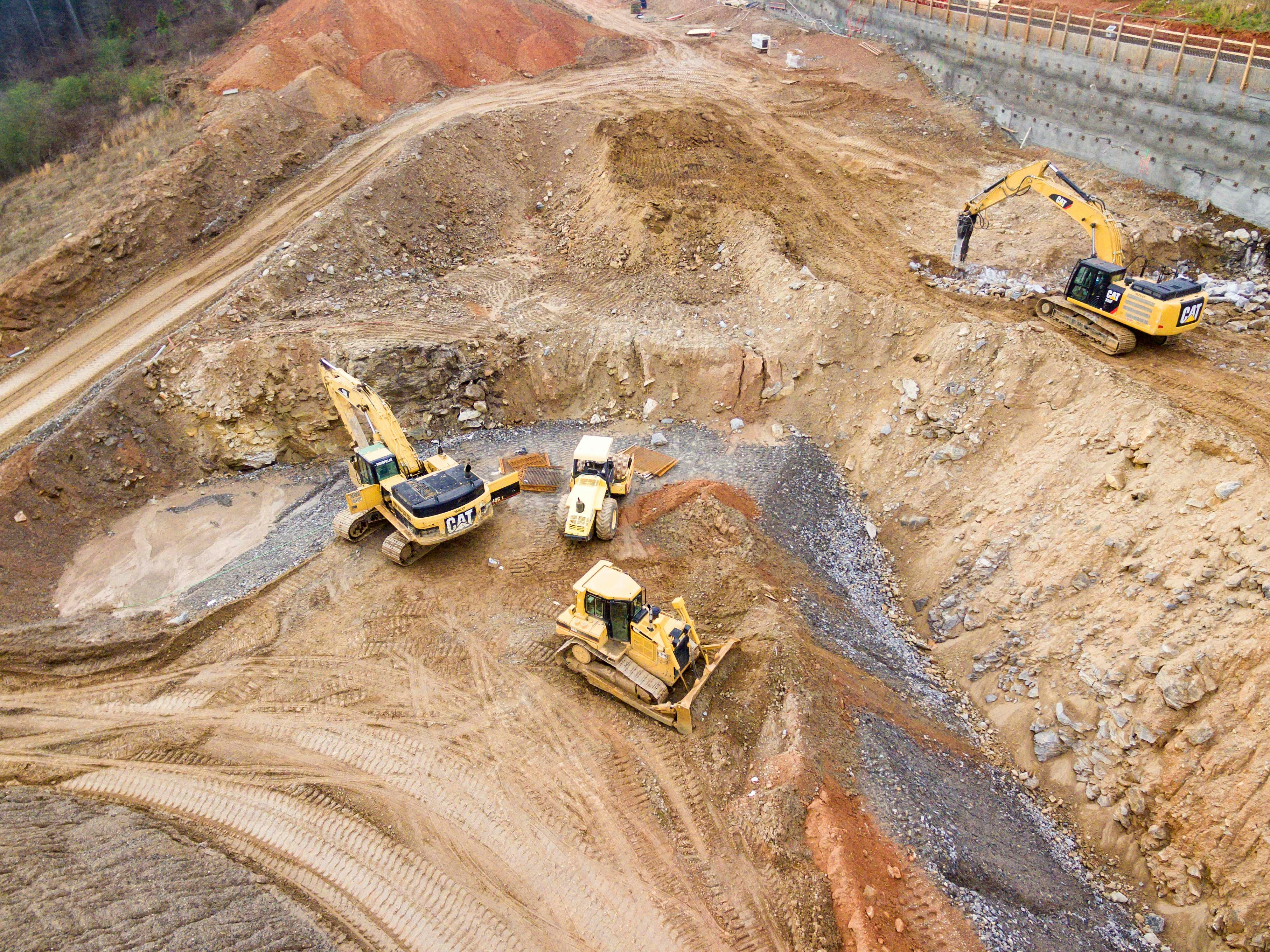
- Contractor Selection: We match your project with licensed contractors who have the right equipment (excavators, bulldozers, mulchers) and experience for your specific clearing needs in Miami-Dade County, including expertise with tree removal permits, NFC permits, and environmental protection requirements.
- Clearing Execution: Contractors perform vegetation clearing, tree removal, stump removal, and grubbing according to project specifications and permit conditions, meeting Miami-Dade County requirements. Clearing operations comply with tree removal permits and NFC permit conditions where applicable.
- Debris Removal: All cleared vegetation, stumps, and debris are removed from the site and disposed of or recycled according to Miami-Dade County regulations. Proper disposal ensures compliance with county requirements and environmental protection.
- Site Preparation: After clearing, contractors perform rough grading and site cleanup to prepare for subsequent construction activities, meeting Miami-Dade County building code requirements. Erosion control measures are installed as required by DERM.
Frequently Asked Questions
What permits are required for land clearing in Miami-Dade County?
Land clearing in Miami-Dade County requires Tree Removal or Relocation Permits for any tree not specifically exempt under the Environmental Code of Miami-Dade County (Chapter 24-49). If your property is designated as a Natural Forest Community (NFC), a Natural Forest Community Permit is required. Additional permits may include DERM Class I Permits (for work in tidal waters or coastal wetlands, mangrove trimming), DERM Class IV Permits (for freshwater wetlands, subject to public hearing), DERM Class V Permits (for temporary dewatering), and RER building permits. A Zoning Verification Letter (ZVL) must be obtained before beginning any land clearing activities. We help identify and coordinate all required permits.
What is a Natural Forest Community (NFC) and why does it matter?
If your property is designated as a Natural Forest Community (NFC), any activity resulting in the removal or damage to vegetation—including impacts to trees, shrubs, or groundcover plants—requires a Natural Forest Community Permit. The permitting process is designed to eliminate avoidable impacts and minimize unavoidable impacts to trees and associated understory plant communities, maintaining their health and ecological benefits. Contact the Tree and Forest Resources Section at 305-372-6574 for questions about NFC permits or Field Notices of Violation related to Natural Forest Communities.
How much does land clearing cost in Miami-Dade County?
Land clearing costs in Miami-Dade County vary significantly based on vegetation density, tree sizes, site access, and permit requirements. Typical costs range from $2,000 to $10,000 per acre for light clearing to $10,000 to $30,000+ per acre for heavy clearing with large trees. Projects typically start around $25,000 for residential lots and can range from $50,000 to $200,000+ for large commercial sites or subdivisions. Factors affecting cost include permit complexity (NFC permits, Class IV permits subject to public hearing), debris disposal requirements, and environmental protection measures. Projects requiring Natural Forest Community (NFC) permits, wetland protection measures, or extensive tree removal permits often cost more due to additional permit requirements and specialized techniques.
What is the difference between clearing and grubbing in Miami-Dade County?
Clearing refers to removing above-ground vegetation including trees and shrubs, requiring Tree Removal or Relocation Permits for any tree not specifically exempt under Chapter 24-49. Grubbing refers to removing below-ground root systems and stumps, which may require Natural Forest Community (NFC) Permits if the property is designated as NFC. Complete lot preparation typically includes both clearing and grubbing to ensure all organic material is removed, with compliance with Miami-Dade County environmental protection requirements.
Can trees be preserved during clearing in Miami-Dade County?
Yes, selective clearing can preserve desirable trees when possible, especially important in Natural Forest Community (NFC) areas where the permitting process is designed to eliminate avoidable impacts and minimize unavoidable impacts. We coordinate with contractors to identify trees worth preserving and plan clearing activities to protect them, with consideration of NFC permit requirements. However, some trees may need to be removed due to construction requirements, disease, or safety concerns, requiring proper Tree Removal or Relocation Permits.
Sub-Services
Explore our specialized land clearing and lot preparation services in Miami-Dade County:
Vegetation and Tree Clearing
Removal of trees, shrubs, and vegetation to prepare sites for construction in Miami-Dade County
Stump Removal and Grubbing
Complete removal of tree stumps and root systems in Miami-Dade County
Debris Hauling and Site Cleanup
Removal and disposal of cleared vegetation and debris in Miami-Dade County
Rough Grading After Clearing
Initial rough grading to establish site elevations after clearing in Miami-Dade County
Demolition Coordination
Coordination with demolition contractors for structure removal in Miami-Dade County
Site Access Preparation
Clearing and preparation of access roads and staging areas in Miami-Dade County