Regrading for Drainage Problems in Miami, FL
Site regrading to fix existing drainage issues, eliminate standing water, and redirect water flow away from structures across Miami-Dade County
Free Fast Quote
Please fill out this form to request a free quote on your upcoming project and we will respond to you right away!
Who This Service Is For
Regrading for drainage problems in Miami-Dade County is essential for property owners, homeowners, commercial property managers, and anyone experiencing standing water, flooding, or water damage due to poor site grading in Miami-Dade County.
Whether you're dealing with standing water after rain in Miami Beach, water pooling around your foundation in Coral Gables, or flooding in low-lying areas in Aventura, site regrading can redirect water flow and eliminate drainage problems. We coordinate licensed contractors with the expertise to assess drainage issues and implement effective regrading solutions, navigating Miami-Dade RER, DERM, and flood zone requirements.
Typical Project Sizes in Miami-Dade County
Regrading for drainage problems in Miami-Dade County typically ranges from $20,000 to $75,000 for residential properties, and $50,000 to $200,000+ for commercial properties depending on site size, extent of regrading required, flood zone considerations, and whether drainage systems need to be installed or upgraded. Projects in flood zones or requiring significant elevation adjustments often cost more.
What Regrading for Drainage Includes in Miami-Dade County
Drainage Assessment
Evaluation of existing site conditions, water flow patterns, and drainage problems specific to Miami-Dade County conditions. Assessment identifies low-lying areas, water accumulation points, flood zone considerations, and determines the best regrading approach to redirect water flow.
Site Regrading
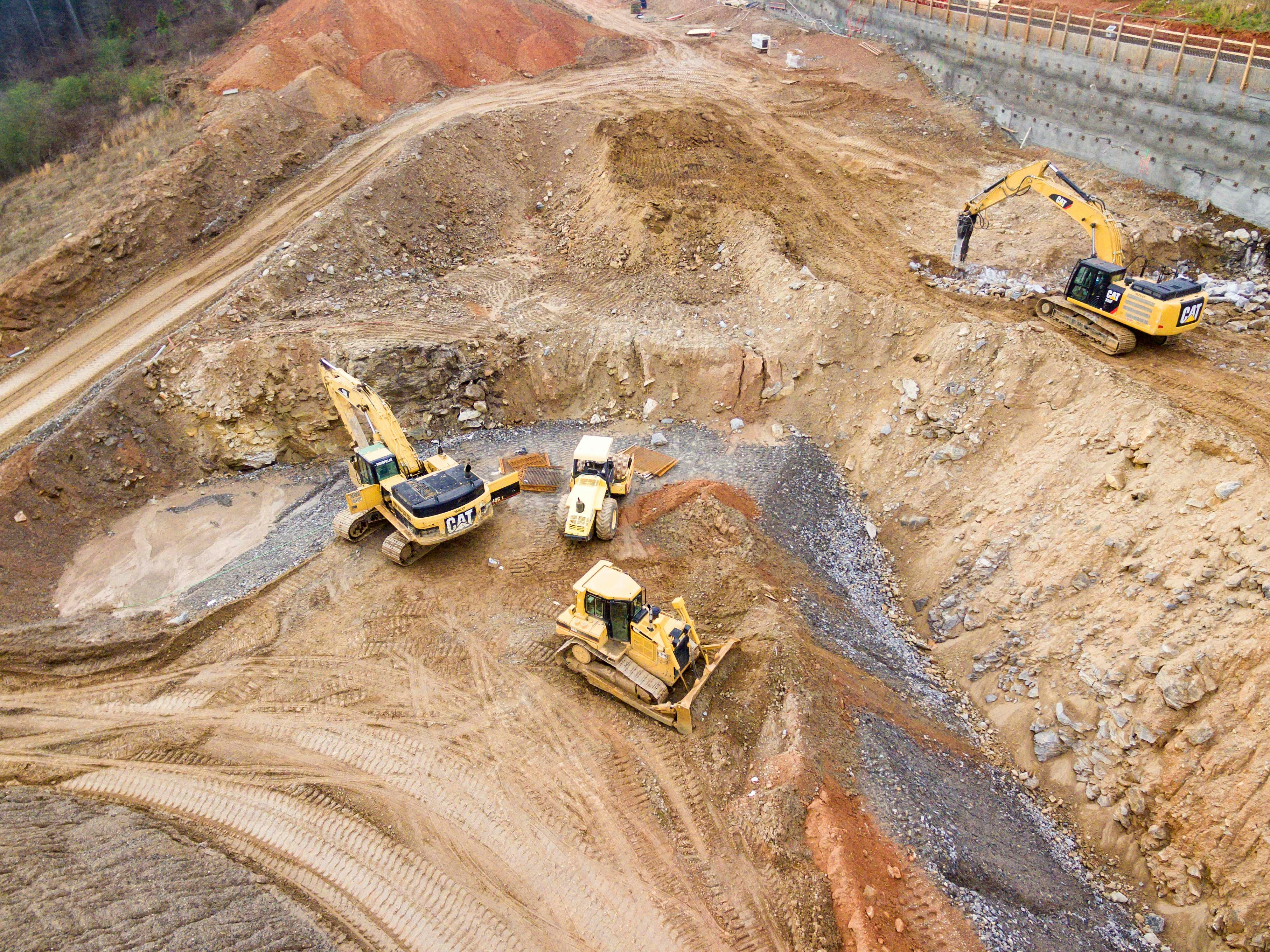
Earthmoving to adjust site elevations and create proper slopes that direct water away from structures and toward drainage points. Regrading eliminates low spots where water accumulates and creates positive drainage flow, accounting for Miami-Dade's high water table and coastal soil conditions.
Slope Creation
Creating proper slopes (typically 1-2% minimum) to direct water flow away from structures and toward drainage systems. Proper slopes prevent water from pooling and ensure effective drainage, essential given Miami-Dade's heavy rainfall and flat topography.
Low Spot Elimination
Filling or regrading low-lying areas where water accumulates. Low spots are eliminated by adding fill material and creating proper drainage slopes to prevent standing water, especially important in flood zones where elevation requirements must be met.
Drainage System Integration
Coordinating regrading with drainage system installation or upgrades to meet South Florida Water Management District (SFWMD) and Miami-Dade County requirements. Regrading ensures water flows to drainage inlets, swales, or retention areas effectively. May include installation of French drains, catch basins, or swales.
Final Grading and Compaction
Final grading to achieve proper elevations and slopes, with proper compaction to prevent settlement. Final grading ensures regraded areas maintain proper drainage and don't settle over time, meeting Miami-Dade building code requirements and accounting for unique soil characteristics.
Common Drainage Problems in Miami-Dade County
Miami-Dade County's unique conditions create specific drainage challenges that regrading can address:
- Standing Water After Rain: Low-lying areas that don't drain properly create standing water that can damage landscaping, attract mosquitoes, and create safety hazards. Miami-Dade's heavy rainfall and flat topography make this especially common. Regrading creates proper slopes to eliminate standing water.
- Water Pooling Around Foundations: Poor grading around structures allows water to pool near foundations, increasing the risk of water damage and foundation problems, especially in areas with high water tables like Miami Beach, Aventura, and coastal neighborhoods. Regrading directs water away from structures.
- Flood Zone Flooding: Properties in flood zones (AE, VE, AH, AO) can experience flooding during heavy rain, especially in coastal areas like Miami Beach, Key Biscayne, and Aventura. Regrading elevates low areas and creates proper drainage flow, ensuring compliance with Base Flood Elevation (BFE) requirements.
- High Water Table Issues: Miami-Dade's high water table, which can be within 2-3 feet of the surface in many areas, can cause water to rise to the surface in low areas. Regrading elevates these areas and creates proper drainage to manage high water table conditions, especially important in coastal neighborhoods.
- Inadequate Drainage Slopes: Existing sites may have insufficient slopes to direct water to drainage systems. Regrading creates proper slopes (1-2% minimum) to ensure effective water flow, meeting Miami-Dade County stormwater management requirements.
- Stormwater Runoff Problems: Properties may not be graded to handle stormwater runoff effectively, especially during heavy South Florida rains and hurricane events. Regrading ensures proper water flow and may be combined with stormwater management systems to meet SFWMD and Miami-Dade County requirements.
Miami-Dade Regrading for Drainage Neighborhoods
We coordinate regrading for drainage problems throughout Miami-Dade County, including:
Flood-Prone Coastal Areas
- Miami Beach
- Key Biscayne
- Bal Harbour
- Aventura
- Surfside
Residential Communities
- Coral Gables
- Pinecrest
- Coconut Grove
- Palmetto Bay
- South Miami
Commercial Areas
- Doral
- Brickell
- Downtown Miami
- Westchester
- Kendall
Suburban Areas
- Cutler Bay
- Homestead
- Florida City
- Redland
- Hialeah
The Regrading Process in Miami-Dade County
Our coordinated approach ensures your drainage problems are effectively addressed in Miami-Dade County:
- Site Assessment: We evaluate your site to identify drainage problems, water flow patterns, and low-lying areas. Assessment includes reviewing site conditions during and after rain events to understand water accumulation patterns, flood zone designation, and Miami-Dade County specific conditions including high water table.
- Drainage Design: We develop a regrading plan that addresses specific drainage problems and creates proper water flow. The plan identifies areas that need elevation changes, determines the best approach for redirecting water flow, and ensures compliance with Base Flood Elevation (BFE) requirements for properties in flood zones.
- Miami-Dade Permit Coordination: We help identify required permits for regrading work including Miami-Dade RER building permits (for unincorporated areas) or municipal building department permits (for incorporated areas), DERM environmental resource permits for land disturbance, SFWMD permits for stormwater management, and coordinate with regulatory agencies. Regrading projects may require permits, especially if significant earthwork is involved.
- Contractor Selection: We match your project with licensed contractors who have the right equipment and experience for regrading work in Miami-Dade County. Contractors assess drainage problems and implement effective regrading solutions, including expertise with high water table conditions and flood zone requirements.
- Regrading Execution: Contractors perform earthmoving to adjust site elevations and create proper slopes. This may involve adding fill material to low areas or removing material to create drainage channels, accounting for Miami-Dade's high water table and coastal soil conditions.
- Drainage System Integration: Regrading is coordinated with drainage system installation or upgrades if needed to meet SFWMD and Miami-Dade County requirements. This ensures water flows to drainage points effectively and eliminates standing water.
- Final Inspection: We coordinate final inspections with Miami-Dade RER or municipal building departments to ensure regrading effectively addresses drainage problems and that water flows properly away from structures and toward drainage systems, meeting all permit conditions and engineering specifications.
Frequently Asked Questions
Can regrading fix standing water problems in Miami-Dade County?
Yes, regrading is often an effective solution for standing water problems in Miami-Dade County. By adjusting site elevations and creating proper slopes, we can redirect water flow away from low-lying areas and eliminate standing water. Regrading is often combined with drainage system installation for comprehensive solutions, especially important given Miami-Dade's heavy rainfall, high water table, and flat topography.
What permits are required for regrading in Miami-Dade County?
Regrading projects in Miami-Dade County may require building permits from Miami-Dade RER (for unincorporated areas) or municipal building departments (for incorporated areas), especially if significant earthwork is involved. Projects in flood zones or involving stormwater management may require DERM environmental resource permits and SFWMD permits. We help identify and coordinate all required permits.
How does Miami-Dade's high water table affect regrading?
Miami-Dade's high water table, which can be within 2-3 feet of the surface in many areas, requires specialized regrading techniques. Low areas may need to be elevated above the water table, and proper drainage systems are essential to prevent water from rising to the surface. This is especially important in coastal areas like Miami Beach, Aventura, and Key Biscayne where the water table is particularly high.
How much does regrading for drainage cost in Miami-Dade County?
Regrading costs in Miami-Dade County vary based on site size, extent of regrading required, flood zone considerations, and whether drainage systems need to be installed. Typical residential properties range from $20,000 to $75,000, while commercial properties can range from $50,000 to $200,000+ depending on scope. Factors affecting cost include site access, required earthwork, flood zone elevation requirements, and drainage system complexity. Projects in flood zones or requiring significant elevation adjustments often cost more.
Will regrading solve all drainage problems in Miami-Dade County?
Regrading can solve many drainage problems by creating proper slopes and redirecting water flow. However, some drainage problems in Miami-Dade County may also require drainage system installation (French drains, catch basins, swales) for comprehensive solutions, especially in flood zones or areas with high water tables. We assess your specific situation and recommend the best approach, which may include both regrading and drainage system work to meet SFWMD and Miami-Dade County requirements.