Rough and Final Grading for New Developments in Miami, FL
Complete grading services for new developments across Miami-Dade County, from rough grading to final elevations
Free Fast Quote
Please fill out this form to request a free quote on your upcoming project and we will respond to you right away!
Who This Service Is For
Rough and final grading services in Miami-Dade County are essential for developers, general contractors, subdivision developers, and anyone preparing large sites for new construction projects in Miami-Dade County.
Whether you're developing a new subdivision in Homestead, a commercial complex in Doral, or a multi-phase residential project in Kendall, proper grading sequencing ensures site preparation is completed efficiently and meets all engineering specifications. We coordinate licensed contractors to handle both rough and final grading phases, navigating Miami-Dade RER, DERM, and DTPW requirements with expertise.
Typical Project Sizes in Miami-Dade County
Rough and final grading for new developments in Miami-Dade County typically range from $50,000 to $200,000 for smaller developments, and $200,000 to $1,000,000+ for large subdivision or commercial developments depending on site size, required earthwork, flood zone requirements, number of lots or building pads, and site conditions. Projects in flood zones or requiring significant elevation adjustments often cost more.
What Rough and Final Grading Includes in Miami-Dade County
Rough Grading
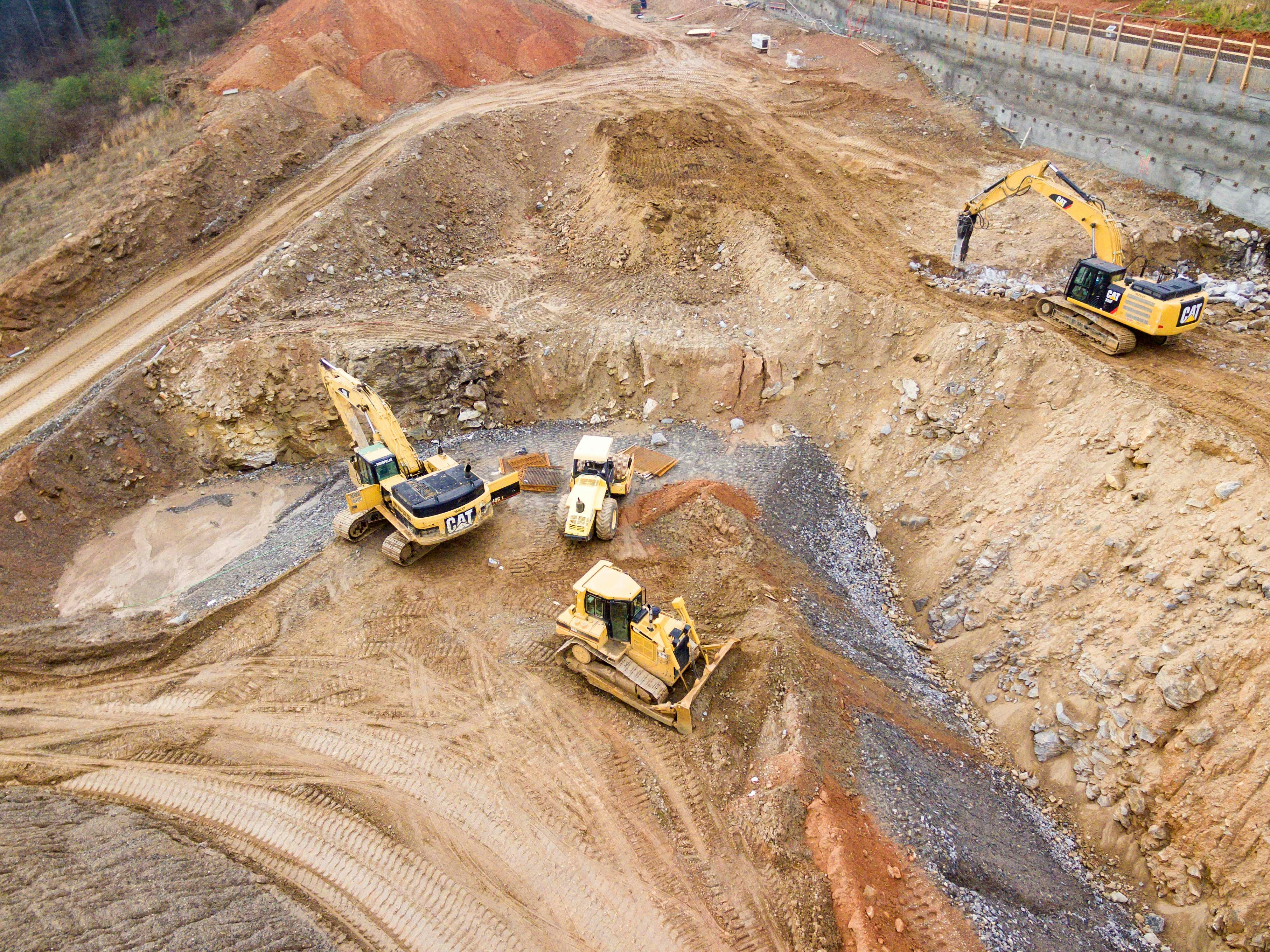
Initial earthmoving to achieve approximate elevations and establish general site grades. Rough grading removes excess material or adds fill to bring the site to within a few inches of final elevations, preparing the site for fine grading work and utility installation, accounting for Miami-Dade's high water table and coastal soil conditions.
Fine Grading
Precise grading work using laser-guided equipment to achieve exact elevations specified in engineering drawings, typically within 0.1 feet of specified elevations. Fine grading creates the exact slopes and contours required for building pads, roads, and infrastructure, ensuring Base Flood Elevation (BFE) compliance for properties in flood zones.
Building Pad Grading
Grading individual building pads to precise elevations for foundation construction. Each building pad must be graded to exact elevations and slopes specified in engineering drawings, with proper compaction for foundation support, meeting Miami-Dade building code requirements and Base Flood Elevation (BFE) compliance.
Road and Infrastructure Grading
Grading for roads, access drives, and infrastructure to proper elevations and slopes, meeting Miami-Dade DTPW specifications for subdivision roads. Road grading includes proper crown, cross-slopes, and drainage features to ensure effective water management and safe vehicle access.
Drainage Grading
Grading to create proper drainage slopes and direct water to stormwater systems. Drainage grading ensures water flows away from structures and toward drainage inlets, swales, or retention areas as specified in drainage design, meeting South Florida Water Management District (SFWMD) and Miami-Dade County requirements.
Final Site Preparation
Final grading and site preparation to ensure all areas meet engineering specifications and are ready for building construction. This includes final compaction, elevation verification, and coordination with building contractors, ensuring compliance with Miami-Dade RER requirements and permit conditions.
Miami-Dade County Development Grading Considerations
Grading for new developments in Miami-Dade County requires specialized knowledge of local conditions and regulatory requirements:
- Chapter 28 Subdivision Code: All development within unincorporated Miami-Dade County must comply with Chapter 28 of the Miami-Dade County Subdivision Code, which mandates that all parcels have public access. Developers must post a Subdivision Improvement Bond and provide an Agreement for Construction and Maintenance of Subdivision Improvements, with the bond amount determined by a Construction Cost Estimate calculated by a County Engineer derived from approved Paving and Drainage (P&D) Plans.
- Phased Grading Operations: Large developments require phased grading to coordinate with utility installation, road construction, and building schedules. Rough grading establishes general grades, while final grading is completed just before building construction. Grading must be sequenced properly with infrastructure work to meet Miami-Dade DTPW requirements.
- RER and DERM Permits: Development grading requires permits from Miami-Dade RER (for unincorporated areas) or municipal building departments (for incorporated areas), and DERM environmental resource permits for land disturbance. Large developments may require phased permit approvals and coordination with multiple regulatory agencies. Effective October 1, 2025, Miami-Dade implemented updated permit fees.
- Stormwater Management: Development grading must incorporate proper drainage and stormwater management to meet South Florida Water Management District (SFWMD) and Miami-Dade County requirements. Grading must work in conjunction with retention areas and drainage systems as specified in approved Paving and Drainage (P&D) Plans.
- Flood Zone Compliance: Developments in flood zones must have building pads and infrastructure graded to specific elevations above Base Flood Elevation (BFE). This affects grading depth and may require additional fill material, particularly in coastal areas like Miami Beach, Key Biscayne, and Aventura.
- High Water Table: Miami-Dade's high water table, which can be within 2-3 feet of the surface in many areas, affects grading depth and compaction. Proper dewatering may be required, and building pads may need to be elevated above the water table for foundation stability, especially in areas like Miami Beach, Aventura, and coastal neighborhoods.
- Engineering Specifications: All grading must meet exact elevations and slopes specified in engineering drawings, typically within 0.1 feet of specified grades. Contractors must have the equipment and expertise to achieve precise elevations. A site plan and grading plan, prepared by a licensed surveyor or engineer, must be submitted with the building permit application.
Miami-Dade Development Grading Neighborhoods
We coordinate rough and final grading services for new developments throughout Miami-Dade County, including:
Subdivision Development Areas
- Homestead
- Florida City
- Redland
- Kendall
- Cutler Bay
Commercial Development Areas
- Doral
- Westchester
- Miami Lakes
- Miami Gardens
- Hialeah
Residential Communities
- Pinecrest
- Palmetto Bay
- South Miami
- Coral Gables
- Aventura
Coastal and Waterfront
- Miami Beach
- Key Biscayne
- Bal Harbour
- Surfside
- Sunny Isles Beach
The Development Grading Process in Miami-Dade County
Our coordinated approach ensures your development grading meets all specifications and regulatory requirements in Miami-Dade County:
- Project Review: We review your engineering drawings, site plans, Paving and Drainage (P&D) Plans, and development schedule to understand grading requirements and identify any challenges. This includes coordinating with utility providers, Miami-Dade DTPW, and other contractors, and analyzing flood zone requirements.
- Miami-Dade Permit Coordination: We help identify required grading permits including Miami-Dade RER building permits (for unincorporated areas) or municipal building department permits (for incorporated areas), DERM environmental resource permits for land disturbance, DTPW permits for subdivision roads, SFWMD permits for stormwater management, and coordinate with regulatory agencies. Large developments may require phased permit approvals and Subdivision Improvement Bonds.
- Contractor Selection: We match your project with licensed contractors who have the right equipment (graders, compactors, laser-guided systems) and experience for large-scale development grading in Miami-Dade County, including expertise with DTPW specifications and subdivision infrastructure requirements.
- Rough Grading: Contractors perform initial earthmoving to achieve approximate elevations across the development site. Rough grading establishes general grades and prepares the site for utility installation and fine grading, accounting for Miami-Dade's high water table and coastal soil conditions.
- Utility Coordination: Grading is coordinated with utility installation to ensure proper sequencing. Utilities must be installed before final grading in most areas to avoid damage to graded surfaces. We coordinate with utility providers and ensure compliance with Miami-Dade requirements.
- Final Grading: Precise grading work using laser-guided equipment to achieve exact elevations specified in engineering drawings. Final grading is completed just before building construction to ensure precise elevations, meeting Base Flood Elevation (BFE) requirements where applicable.
- Final Inspection: We coordinate final grading inspections with Miami-Dade RER or municipal building departments, DTPW (for subdivision roads), engineers, and building contractors to ensure all areas meet specifications, engineering requirements, and are ready for building construction. All construction is subject to inspection by the governing body or their designated representatives.
Frequently Asked Questions
What is the difference between rough grading and final grading in Miami-Dade County?
Rough grading is the initial earthmoving to achieve approximate elevations, typically within a few inches of final elevations. Rough grading establishes general site grades and prepares the site for utility installation. Final grading is the precise finishing work to achieve exact elevations specified in engineering drawings, typically within 0.1 feet of specified grades. Final grading is completed just before building construction and ensures Base Flood Elevation (BFE) compliance for properties in flood zones.
What permits are required for development grading in Miami-Dade County?
Development grading in Miami-Dade County requires building permits from Miami-Dade RER (for unincorporated areas) or municipal building departments (for incorporated areas), DERM environmental resource permits for land disturbance, DTPW permits for subdivision roads, and SFWMD permits for stormwater management. Large developments may require phased permit approvals and Subdivision Improvement Bonds. Developers must provide an Agreement for Construction and Maintenance of Subdivision Improvements. We help identify and coordinate all required permits.
What is a Subdivision Improvement Bond in Miami-Dade County?
A Subdivision Improvement Bond is required for developments in unincorporated Miami-Dade County. Developers must post this bond and provide an Agreement for Construction and Maintenance of Subdivision Improvements. The bond amount is determined by a Construction Cost Estimate calculated by a County Engineer derived from approved Paving and Drainage (P&D) Plans. This ensures that all required infrastructure improvements, including grading, roads, and drainage, are completed according to specifications.
How much does development grading cost in Miami-Dade County?
Development grading costs in Miami-Dade County vary based on site size, number of lots or building pads, required earthwork, flood zone requirements, and site conditions. Typical smaller developments range from $50,000 to $200,000, while large subdivisions or commercial developments can range from $200,000 to $1,000,000+ depending on scope. Factors affecting cost include site access, required earthwork, flood zone elevation requirements, drainage complexity, and permit requirements. Projects in flood zones or requiring significant elevation adjustments often cost more.
How precise does final grading need to be in Miami-Dade County?
Final grading in Miami-Dade County must achieve elevations within 0.1 feet (1.2 inches) of specified elevations in engineering drawings. Slopes must match specified grades exactly. This precision is critical for foundation stability, code compliance, and proper drainage. For properties in flood zones, the building pad must be graded to at least the Base Flood Elevation (BFE) plus any required freeboard. A site plan and grading plan, prepared by a licensed surveyor or engineer, must be submitted with the building permit application. Our contractors use laser-guided grading equipment to achieve this precision.