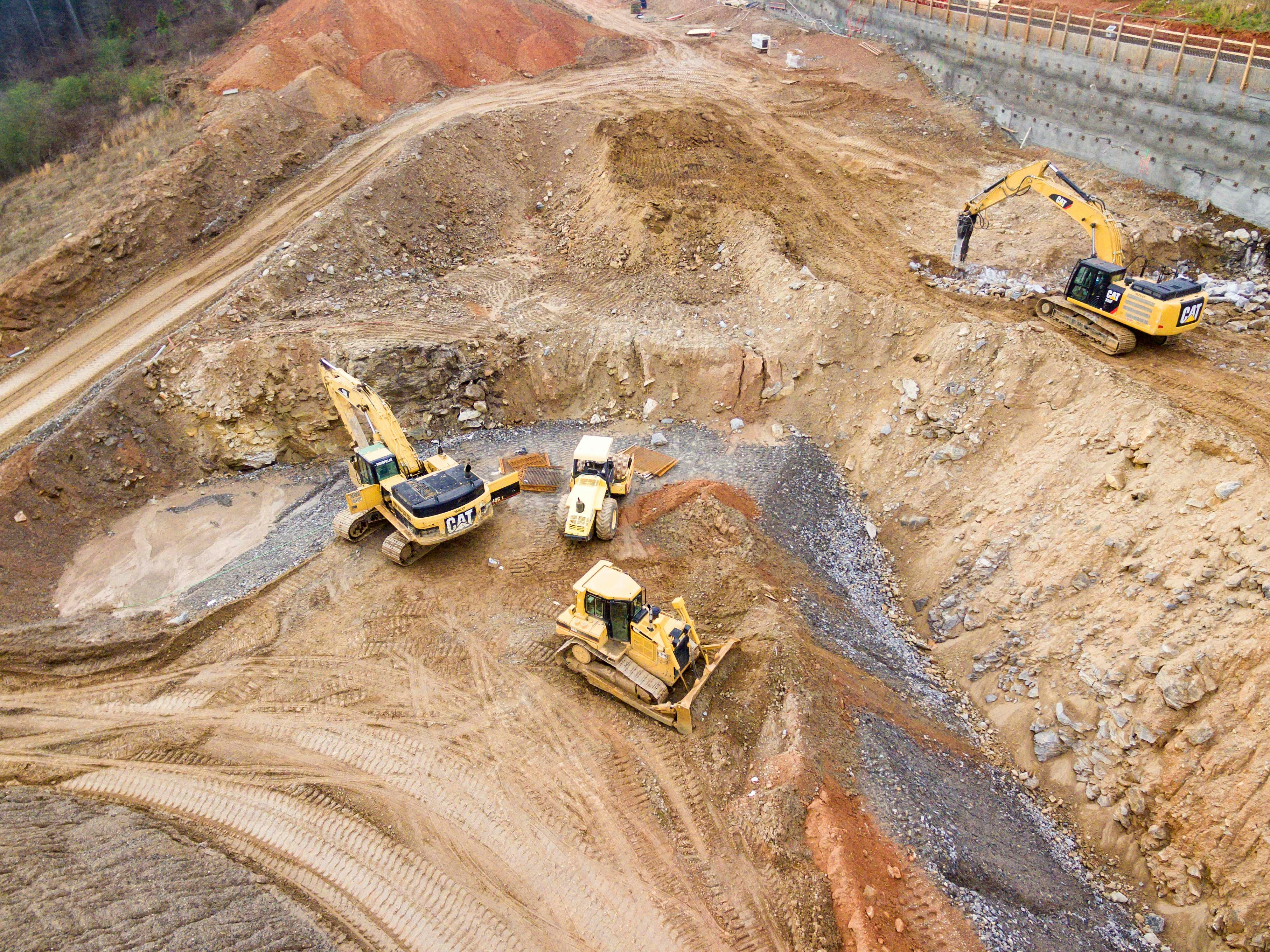
Slope Stabilization and Erosion Control in Miami, FL
Grading and stabilization of slopes to prevent erosion across Miami-Dade County, including coastal areas and waterways
Free Fast Quote
Please fill out this form to request a free quote on your upcoming project and we will respond to you right away!
Who This Service Is For
Slope stabilization and erosion control services in Miami-Dade County are essential for property owners, developers, coastal property owners, and anyone dealing with slope erosion or unstable slopes on their property in Miami-Dade County.
Whether you're dealing with erosion on existing slopes in Miami Beach, need to stabilize slopes after construction in Key Biscayne, or want to prevent erosion on new slopes in Aventura, proper grading and erosion control measures can protect your property from soil loss and slope failure. We coordinate licensed contractors with the expertise to assess slope conditions and implement effective stabilization solutions, navigating Miami-Dade DERM environmental protection requirements.
Typical Project Sizes in Miami-Dade County
Slope stabilization and erosion control projects in Miami-Dade County typically range from $25,000 to $100,000 for residential properties, and $75,000 to $300,000+ for commercial properties or large slope areas depending on slope size, severity of erosion, required regrading, erosion control measures needed, and coastal protection requirements. Projects involving seawalls or bulkheads may cost significantly more.
What Slope Stabilization and Erosion Control Includes in Miami-Dade County
Slope Assessment
Evaluation of existing slope conditions, erosion patterns, and stability issues specific to Miami-Dade County conditions. Assessment identifies areas of concern, coastal erosion risks, and determines the best approach for slope stabilization and erosion control, including DERM environmental protection considerations.
Slope Regrading
Regrading slopes to stable angles (typically 2:1 or 3:1 slope ratios) that resist erosion. Steeper slopes are regraded to gentler angles that are more stable and less prone to erosion, accounting for Miami-Dade's high water table and coastal soil conditions.
Erosion Control Matting
Installation of erosion control matting, geotextiles, or turf reinforcement mats to protect slopes from water erosion. Matting holds soil in place while vegetation establishes and provides long-term erosion protection, essential given Miami-Dade's heavy rainfall and hurricane conditions.
Drainage Installation
Installation of proper drainage systems to direct water away from slopes and prevent water from undermining slope stability. Drainage may include swales, French drains, or catch basins, meeting South Florida Water Management District (SFWMD) and Miami-Dade County requirements.
Coastal Protection Structures
Construction of seawalls, bulkheads, or retaining walls where slopes cannot be regraded to stable angles, especially in coastal areas. Miami-Dade County has streamlined seawall permit processes (90-day review periods) with minimum elevation standards of 5.7 feet NAVD88 for new structures. We coordinate DERM permits for coastal protection.
Vegetation Establishment
Planting vegetation on stabilized slopes to provide long-term erosion protection. Vegetation roots hold soil in place and reduce water runoff, providing natural erosion control. Miami-Dade DERM may require native vegetation for environmental protection, especially in coastal areas and near waterways.
Miami-Dade County Slope Erosion Considerations
Slope stabilization in Miami-Dade County requires specialized knowledge of local conditions and erosion factors:
- Coastal Erosion and Seawall Requirements: Miami-Dade County has comprehensive regulations for coastal protection. New or substantially rehabilitated seawalls must meet minimum elevation standards of 5.7 feet NAVD88 to address sea level rise and tidal flooding. The county has streamlined seawall permit processes, reducing review periods from 18-24 months to 90 days for most projects. Seawalls must be substantially impermeable and effectively address both existing tidal flooding and future sea level rise.
- DERM Environmental Protection: Miami-Dade DERM requires professional documentation for seawall and slope stabilization projects in coastal areas and near waterways. This includes as-built surveys prepared by professional surveyors showing elevation in NAVD88, and certification by professional engineers confirming structures are designed and constructed in accordance with ordinance requirements.
- Heavy Rainfall and Hurricane Conditions: Miami-Dade's intense rainfall and hurricane conditions can cause significant erosion on slopes, especially during hurricane season. Proper drainage and erosion control measures are essential to protect slopes from water damage, storm surge, and wave action in coastal areas.
- High Water Table: Miami-Dade's high water table, which can be within 2-3 feet of the surface in many areas, can saturate slope soils, reducing stability and increasing erosion risk. Proper drainage is critical to manage water table effects on slopes, especially in coastal neighborhoods like Miami Beach, Aventura, and Key Biscayne.
- Coastal Conditions: Coastal properties in Miami-Dade face additional erosion risks from salt spray, storm surge, and wave action. Slope stabilization must account for coastal conditions and may require specialized erosion control measures, seawalls, or nature-based solutions such as living shorelines that meet environmental standards for wave absorption and habitat creation.
- Soil Types: Miami-Dade's sandy and limestone soils have different erosion characteristics. Slope stabilization must account for soil types and may require specialized erosion control measures for different soil conditions, especially in coastal areas with limestone bedrock.
- RER and DERM Permits: Slope stabilization projects require permits from Miami-Dade RER (for unincorporated areas) or municipal building departments (for incorporated areas), and DERM environmental resource permits for work in coastal areas or near waterways. Projects involving seawalls or significant earthwork may require additional permits and professional engineering certification.
Miami-Dade Slope Stabilization Neighborhoods
We coordinate slope stabilization and erosion control services throughout Miami-Dade County, including:
Coastal and Waterfront Areas
- Miami Beach
- Key Biscayne
- Bal Harbour
- Surfside
- Aventura
Residential Communities
- Coral Gables
- Pinecrest
- Coconut Grove
- Palmetto Bay
- South Miami
Properties Near Waterways
- Biscayne Bay
- Miami River
- Intracoastal Waterway
- Canals and Lakes
- Coastal Properties
Suburban Areas
- Kendall
- Cutler Bay
- Homestead
- Redland
- Doral
The Slope Stabilization Process in Miami-Dade County
Our coordinated approach ensures your slopes are properly stabilized and protected from erosion in Miami-Dade County:
- Slope Assessment: We evaluate your slopes to identify erosion problems, stability issues, and areas of concern. Assessment includes reviewing slope angles, soil conditions, drainage patterns, coastal erosion risks, and Miami-Dade County specific conditions including high water table and proximity to waterways.
- Stabilization Design: We develop a stabilization plan that addresses specific slope problems and meets Miami-Dade DERM environmental protection requirements. The plan identifies required regrading, erosion control measures, drainage improvements, and coastal protection structures if needed. For coastal projects, we consider nature-based solutions such as living shorelines alongside traditional methods.
- Miami-Dade Permit Coordination: We help identify required permits for slope stabilization work including Miami-Dade RER building permits (for unincorporated areas) or municipal building department permits (for incorporated areas), DERM environmental resource permits for work in coastal areas or near waterways, SFWMD permits for stormwater management, and coordinate with regulatory agencies. Seawall projects may qualify for streamlined 90-day review processes.
- Contractor Selection: We match your project with licensed contractors who have the right equipment and experience for slope stabilization work in Miami-Dade County. Contractors assess slope conditions and implement effective stabilization solutions, including expertise with coastal protection, seawall construction, and DERM requirements.
- Slope Regrading: Contractors regrade slopes to stable angles that resist erosion. Steeper slopes are regraded to gentler angles (typically 2:1 or 3:1 ratios) that are more stable, accounting for Miami-Dade's high water table and coastal soil conditions.
- Erosion Control Installation: Erosion control measures are installed, including matting, geotextiles, or other protective materials. Drainage systems are installed to direct water away from slopes, meeting SFWMD and Miami-Dade County requirements. For coastal properties, seawalls or bulkheads may be constructed to meet minimum elevation standards of 5.7 feet NAVD88.
- Final Inspection: We coordinate final inspections with Miami-Dade RER or municipal building departments, DERM (for coastal projects), and engineers to ensure slopes are properly stabilized and that erosion control measures are effectively protecting slopes from water damage. Professional certification may be required for seawall projects.
Frequently Asked Questions
What causes slope erosion in Miami-Dade County?
Slope erosion in Miami-Dade County is caused by heavy rainfall, high water tables, coastal conditions, hurricane conditions, and steep slope angles. Intense rainfall during hurricane season can cause significant erosion, especially on slopes without proper drainage or erosion control. High water tables can saturate slope soils, reducing stability. Coastal properties face additional risks from salt spray, storm surge, and wave action.
What are Miami-Dade County seawall requirements for coastal properties?
Miami-Dade County has streamlined seawall permit processes with 90-day review periods for most projects. New or substantially rehabilitated seawalls must meet minimum elevation standards of 5.7 feet NAVD88 to address sea level rise and tidal flooding. Seawalls must be substantially impermeable and effectively address both existing tidal flooding and future sea level rise. DERM requires professional documentation including as-built surveys and engineering certification. We coordinate all DERM permits and requirements for coastal protection projects.
What slope angle is stable in Miami-Dade County?
Stable slope angles in Miami-Dade County typically range from 2:1 (2 feet horizontal to 1 foot vertical) to 3:1 (3 feet horizontal to 1 foot vertical) depending on soil conditions. Steeper slopes are more prone to erosion and may require retaining walls, seawalls, or specialized erosion control measures. Proper drainage is essential for slope stability regardless of angle, especially given Miami-Dade's high water table and heavy rainfall.
What permits are required for slope stabilization in Miami-Dade County?
Slope stabilization projects in Miami-Dade County require building permits from Miami-Dade RER (for unincorporated areas) or municipal building departments (for incorporated areas), especially if retaining walls or significant earthwork is involved. Projects in coastal areas or near waterways require DERM environmental resource permits. Seawall projects may qualify for streamlined 90-day review processes. Projects involving stormwater management may require SFWMD permits. We help identify and coordinate all required permits.
How much does slope stabilization cost in Miami-Dade County?
Slope stabilization costs in Miami-Dade County vary based on slope size, severity of erosion, required regrading, erosion control measures needed, and coastal protection requirements. Typical residential properties range from $25,000 to $100,000, while commercial properties or large slope areas can range from $75,000 to $300,000+ depending on scope. Projects involving seawalls or bulkheads may cost significantly more due to elevation requirements (5.7 feet NAVD88 minimum) and DERM permit requirements. Factors affecting cost include slope access, required earthwork, coastal protection needs, and erosion control complexity.