Subdivision and Infrastructure Site Work in Miami, FL
Complete site work for new subdivisions and infrastructure projects throughout Miami-Dade County
Free Fast Quote
Please fill out this form to request a free quote on your upcoming project and we will respond to you right away!
Who This Service Is For
Our subdivision and infrastructure site work services in Miami-Dade County serve developers, general contractors, municipalities, and property owners planning large-scale residential or commercial subdivisions and infrastructure projects throughout Miami-Dade County, including Doral, Homestead, Kendall, Aventura, and other growing communities.
Whether you're developing a new residential subdivision in Doral, planning infrastructure improvements in Homestead, or coordinating site work for a master-planned community in Kendall, we coordinate contractors with the capacity and expertise to handle large-scale subdivision and infrastructure projects, navigating Miami-Dade RER (Regulatory and Economic Resources), DERM (Department of Environmental Resources Management) requirements, and SFWMD Environmental Resource Permits.
Typical Project Sizes in Miami-Dade County
Subdivision and infrastructure site work projects in Miami-Dade County typically range from $50,000 for smaller infrastructure improvements to $500,000+for large subdivision developments requiring extensive earthmoving, grading, and infrastructure preparation. Projects involving development work as described in Florida Statute 380.04 require a development permit prior to the issuance of a building permit.
What Subdivision and Infrastructure Site Work Includes in Miami-Dade County
Subdivision Site Clearing
Large-scale clearing and grubbing for new subdivisions throughout Miami-Dade County, including tree removal, brush clearing, and debris removal across multiple lots. Coordination of clearing operations with full compliance with Miami-Dade DERM Chapter 24-49 tree protection ordinances, requiring tree removal permits and Natural Forest Community (NFC) permits where applicable.
Subdivision Grading
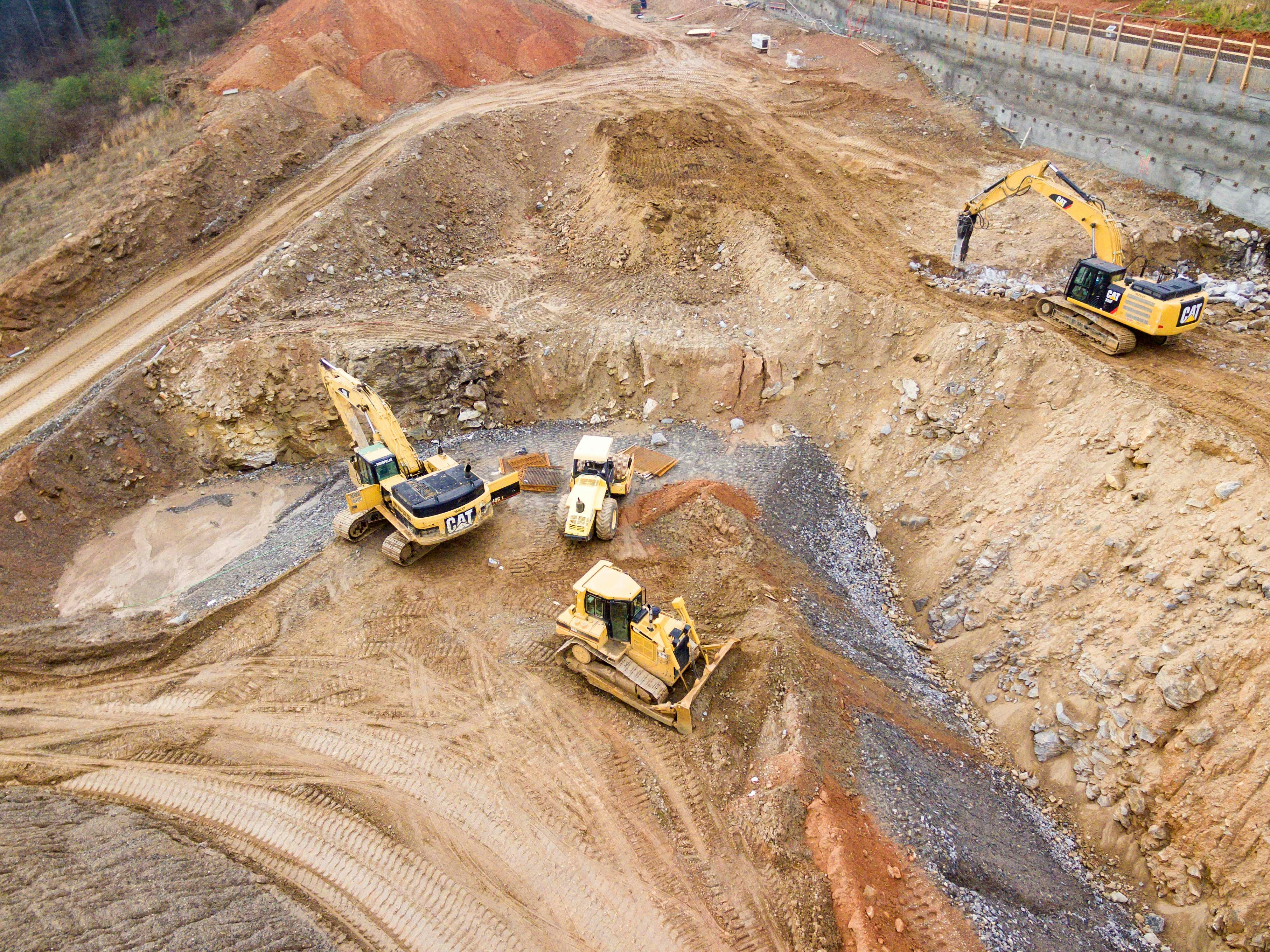
Mass grading operations for subdivision sites in Miami-Dade County, including cut and fill operations to create proper lot elevations, road grades, and drainage slopes. Coordination of grading across multiple lots to achieve consistent elevations, accounting for high water table conditions and flood zone requirements.
Road and Infrastructure Preparation
Site preparation for subdivision roads throughout Miami-Dade County, including subgrade preparation, base course installation, and preparation for paving. Coordination with road construction contractors for proper sequencing, meeting Miami-Dade RER building code requirements and compliance with county standards.
Subdivision Drainage Systems
Installation of subdivision-wide drainage systems including stormwater management ponds, retention basins, swales, and underground drainage infrastructure throughout Miami-Dade County. Designed to meet South Florida Water Management District (SFWMD) Environmental Resource Permit requirements and Miami-Dade County stormwater management standards.
Utility Infrastructure Preparation
Trenching and preparation for subdivision utilities including water, sewer, electrical, gas, and telecommunications infrastructure throughout Miami-Dade County. Coordination with utility companies for proper installation and connections, with compliance to county utility requirements.
Lot Preparation
Individual lot preparation within subdivisions throughout Miami-Dade County, including building pad grading, driveway preparation, and site-specific drainage. Preparation of lots to meet Miami-Dade RER building permit requirements, Base Flood Elevation (BFE) compliance, and architectural specifications.
Miami-Dade County Subdivision and Infrastructure Considerations
Subdivision and infrastructure site work in Miami-Dade County requires specialized coordination and planning:
- Development Permits: Projects involving development work as described in Florida Statute 380.04 require a development permit prior to the issuance of a building permit. This is a critical prerequisite for subdivision infrastructure work, including utilities, roads, drainage systems, and other site improvements in Miami-Dade County.
- Miami-Dade RER Permits: Subdivision developments require building permits from Miami-Dade RER (Regulatory and Economic Resources) for unincorporated areas, or municipal building departments for incorporated areas like Coral Gables or Pinecrest. Plan review typically takes 24 hours to 10 business days for initial review. Effective October 1, 2025, Miami-Dade implemented updated permit fees.
- DERM Environmental Permits: Subdivision development requires DERM (Department of Environmental Resources Management) permits for land disturbance, tree removal, and environmental resource protection. DERM Chapter 24-49 regulates tree removal, and Natural Forest Community (NFC) permits may be required for clearing within designated areas.
- Phased Development: Large subdivisions in Miami-Dade County are typically developed in phases. We coordinate site work to align with development phases, ensuring infrastructure is ready for each phase while maintaining access and minimizing disruption.
- SFWMD Environmental Resource Permits: Subdivision development requires SFWMD Environmental Resource Permits for activities affecting state waters and wetlands, including stormwater management systems, retention ponds, and drainage infrastructure. As of June 28, 2024, new water quality performance standards were implemented.
- Miami 21 Zoning Code: Miami-Dade County's Miami 21 Zoning Code regulates development and enforces requirements for subdivision development, including setback requirements, lot coverage restrictions, and infrastructure standards. Subdivision developments must comply with these requirements.
- Stormwater Management: Subdivisions in Miami-Dade County require comprehensive stormwater management systems including retention ponds, swales, and drainage infrastructure. Our contractors design and install systems to meet SFWMD Environmental Resource Permit requirements and Miami-Dade County stormwater management standards.
- High Water Table: Miami-Dade County's high water table requires specialized dewatering techniques and foundation design for subdivision infrastructure, with SFWMD Environmental Resource Permits required for dewatering activities affecting state waters.
- Flood Zone Compliance: Many subdivision sites in Miami-Dade County are in FEMA flood zones requiring specific elevation requirements and Base Flood Elevation (BFE) compliance for roads, drainage systems, and building pads.
- Utility Coordination: Subdivision development requires coordination with multiple utility companies for water, sewer, electrical, gas, and telecommunications throughout Miami-Dade County. We coordinate utility installation to minimize conflicts and ensure proper sequencing.
The Subdivision and Infrastructure Site Work Process in Miami-Dade County
Our coordinated approach ensures your subdivision or infrastructure project in Miami-Dade County is prepared efficiently:
- Project Planning: We review subdivision plans, infrastructure requirements, and site conditions to understand all site work requirements in Miami-Dade County and develop a comprehensive plan for phased development, including flood zone analysis and environmental considerations.
- Development Permit Coordination: We help identify required development permits as described in Florida Statute 380.04, which must be obtained prior to the issuance of building permits for subdivision infrastructure work in Miami-Dade County.
- Miami-Dade RER and DERM Coordination: We help identify required permits from Miami-Dade RER and DERM, coordinating with regulatory agencies to ensure proposed subdivision developments comply with Miami-Dade County building codes, environmental regulations, and Miami 21 Zoning Code requirements.
- Permit Coordination: We help identify and coordinate all required permits including Miami-Dade RER building permits, DERM environmental resource permits, SFWMD Environmental Resource Permits, tree removal permits, and utility permits. We coordinate with Miami-Dade RER, DERM, SFWMD, and other regulatory agencies as needed.
- Contractor Selection: We match your project with licensed contractors who have experience with subdivision and infrastructure projects in Miami-Dade County and can handle the scale and complexity required, including high water table conditions and flood zone requirements.
- Phased Execution: Contractors perform site work in phases aligned with your development schedule, ensuring infrastructure is ready for each phase while maintaining access and minimizing disruption, accounting for Miami-Dade weather patterns and permit processing timelines.
- Quality Control: We monitor progress to ensure work meets engineering specifications, Miami-Dade RER building code requirements, DERM environmental standards, and regulatory requirements, with particular attention to drainage performance and infrastructure quality.
- Final Preparation: Site is prepared and inspected, ready for infrastructure installation, road construction, and building development to begin, with all required Miami-Dade County approvals in place.
Miami-Dade County Subdivision Development Areas
We coordinate subdivision and infrastructure site work services throughout Miami-Dade County, including:
Growing Suburban Communities
- Doral
- Kendall
- Homestead
- Cutler Bay
- Palmetto Bay
- Westchester
Western Miami-Dade Development
- Hialeah
- Miami Gardens
- Opa-locka
- Miami Lakes
- Sweetwater
- Medley
Coastal and Urban Areas
- Miami Beach
- Aventura
- Key Biscayne
- Coral Gables
- Pinecrest
- Coconut Grove
Infrastructure Projects
- Road Improvements
- Utility Infrastructure
- Drainage Systems
- Public Works Projects
- Municipal Infrastructure
Frequently Asked Questions
What permits are required for subdivision site work in Miami-Dade County?
Subdivision site work in Miami-Dade County requires development permits as described in Florida Statute 380.04 (obtained prior to building permit issuance), building permits from Miami-Dade RER (for unincorporated areas) or municipal building departments (for incorporated areas), DERM environmental resource permits for land disturbance and tree removal, SFWMD Environmental Resource Permits for activities affecting state waters and wetlands, and stormwater management approvals. We help identify and coordinate all required permits.
What is a development permit for subdivision infrastructure in Miami-Dade County?
Projects involving development work as described in Florida Statute 380.04 require a development permit prior to the issuance of a building permit. This is a critical prerequisite for subdivision infrastructure work, including utilities, roads, drainage systems, and other site improvements in Miami-Dade County. The development permit must be obtained before building permits can be issued for subdivision infrastructure projects.
How long does subdivision site work take in Miami-Dade County?
Subdivision site work timelines in Miami-Dade County vary based on project size and complexity. Small subdivisions may take 2-3 months, while large master-planned communities may take 6-12 months or more, often completed in phases aligned with development schedules. Miami-Dade permit processing, including RER and DERM review, can add time. We coordinate scheduling to minimize delays.
Can you work on phased subdivision development in Miami-Dade County?
Yes, we coordinate site work for phased subdivision development in Miami-Dade County, ensuring infrastructure is ready for each phase while maintaining access and minimizing disruption. We work with developers to align site work with development schedules, accounting for Miami-Dade weather patterns and permit processing timelines. Each phase requires proper permit coordination and compliance with Miami-Dade County requirements.
What about stormwater management for subdivisions in Miami-Dade County?
Subdivisions in Miami-Dade County require comprehensive stormwater management systems including retention ponds, swales, and drainage infrastructure. Our contractors design and install systems to meet SFWMD Environmental Resource Permit requirements and Miami-Dade County stormwater management standards. As of June 28, 2024, new water quality performance standards were implemented for SFWMD permits. We ensure all stormwater systems meet these requirements.