Debris Hauling and Site Cleanup in West Palm Beach, FL
Removal and disposal of cleared vegetation, stumps, and debris across Palm Beach County, from West Palm Beach to Palm Beach, Jupiter to Wellington, Royal Palm Beach to The Acreage
Free Fast Quote
Please fill out this form to request a free quote on your upcoming project and we will respond to you right away!
Who This Service Is For
Debris hauling and site cleanup services in Palm Beach County are essential for developers, general contractors, property owners, and anyone who has completed land clearing and needs debris removed and sites cleaned for construction across Palm Beach County neighborhoods including West Palm Beach, Palm Beach, Jupiter, Wellington, Royal Palm Beach, The Acreage, Loxahatchee, Boca Raton, Delray Beach, Palm Beach Gardens, and throughout Palm Beach County.
Whether you've completed vegetation clearing, stump removal, or demolition work, proper debris hauling and site cleanup prepares your site for construction. We coordinate contractors and hauling services to efficiently remove debris and clean sites, with full compliance with Palm Beach County waste management regulations and disposal facility requirements.
Typical Project Sizes in Palm Beach County
Debris hauling and site cleanup in Palm Beach County typically ranges from $15,000 to $50,000 for residential lots, and $50,000 to $180,000+ for large commercial sites or properties with extensive debris depending on debris volume, hauling distance, disposal requirements, and Palm Beach County disposal facility access. Projects involving development work as described in Florida Statute 380.04 require a development permit prior to the issuance of a building permit.
What Debris Hauling and Site Cleanup Includes
Debris Collection
Collection and organization of cleared vegetation, stumps, roots, and other debris from sites in Palm Beach County. Debris collection ensures all materials are gathered and prepared for removal and disposal according to Palm Beach County waste classifications.
Material Sorting and Classification
Sorting of debris materials for recycling, mulching, or disposal according to Palm Beach County waste classifications. Construction and demolition debris must be kept separate from other waste types. Material sorting maximizes recycling opportunities and ensures proper disposal.
Waste Management Coordination
Coordination of disposal at approved Palm Beach County waste management facilities. Proper waste management ensures compliance with local regulations and efficient disposal operations, with attention to Palm Beach County waste management ordinances.
Hauling Operations
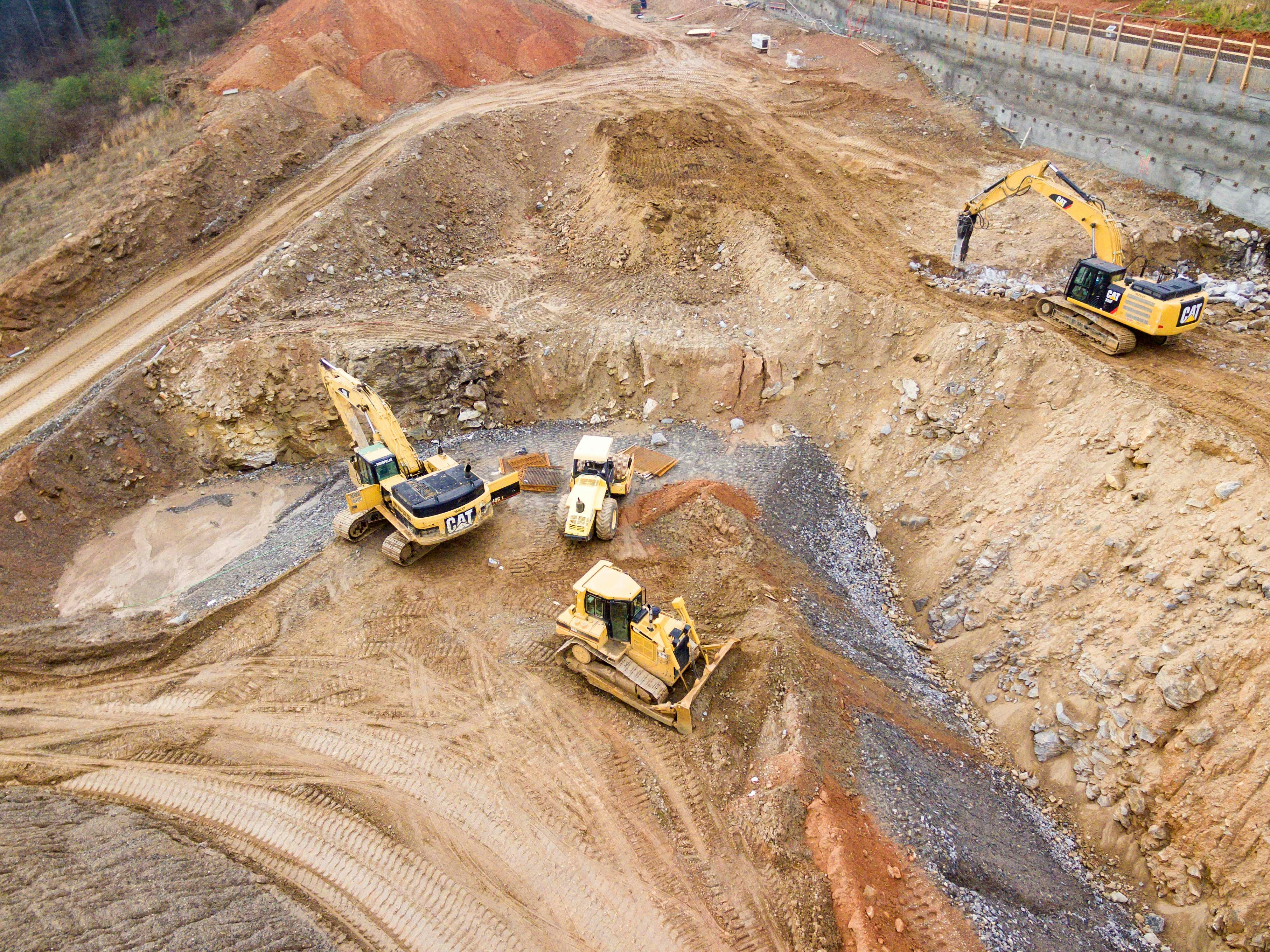
Coordination of hauling operations using dump trucks, trailers, and specialized equipment to transport debris to disposal sites, recycling facilities, or approved waste management facilities. Hauling operations ensure efficient debris removal with proper scheduling and routing to approved facilities.
Recycling and Mulching
Coordination of recycling and mulching services for suitable materials. Recycling and mulching reduce disposal costs and environmental impact while creating useful products from cleared vegetation, with attention to Palm Beach County recycling program requirements.
Disposal Facility Coordination
Coordination of disposal at approved facilities for materials that cannot be recycled. Disposal coordination ensures compliance with Palm Beach County regulations and efficient operations.
Clean Yard Trash Handling
Proper handling of clean yard trash according to Palm Beach County requirements. Clean yard trash must be properly sorted and prepared for disposal or recycling, with compliance with local regulations.
Final Site Cleanup
Final cleanup of sites to remove all remaining debris, materials, and waste. Final cleanup ensures sites are clean and ready for construction activities including grading and foundation work, with compliance with Palm Beach County waste management regulations.
Compliance and Permitting
Coordination of all required permits and compliance with Palm Beach County waste management regulations, building and development permits, and disposal facility requirements. Compliance ensures proper waste management and avoids penalties for illegal dumping.
Types of Debris and Disposal Methods in Palm Beach County
Different types of debris require different disposal methods according to Palm Beach County regulations:
- Construction and Demolition Debris: Defined as discarded material generally not considered water-soluble or hazardous, including steel, concrete, glass, brick, asphalt roofing material, and lumber. Must be kept separate from other waste types for proper disposal.
- Clean Yard Trash: Must be free of other forms of solid waste and properly sorted for disposal or recycling. Can be disposed of at approved Palm Beach County facilities or recycled when appropriate.
- Vegetation and Brush: Cleared vegetation and brush can often be recycled or mulched for reuse. Mulching creates useful products while reducing disposal costs and environmental impact. Can be disposed of at approved facilities if clean and properly sorted.
- Tree Stumps and Roots: Large stumps and roots may require specialized disposal or can be ground and recycled. Stump grinding creates mulch while reducing disposal volume. Must be properly classified and disposed of at approved facilities.
- Bulky Waste: Defined as large discarded items, including appliances, furniture, yard trash, and corrugated cardboard. Can be disposed of at approved facilities for residents and businesses.
- Mixed Debris: Mixed debris requires sorting and appropriate disposal methods. Material sorting ensures proper disposal and maximizes recycling opportunities. Commingling must be avoided to maintain waste classifications.
- Hazardous Materials: Hazardous materials require specialized disposal at approved facilities. Hazardous material disposal ensures compliance with environmental regulations and Palm Beach County requirements.
Palm Beach County Debris Disposal Considerations
Debris hauling and site cleanup in Palm Beach County requires attention to local regulations and disposal requirements:
- Waste Classification Requirements: Palm Beach County distinguishes between construction and demolition debris, clean yard trash, bulky waste, and other waste types. Proper classification ensures compliance and proper disposal.
- Development Permits: Projects involving development work as described in Florida Statute 380.04 require a development permit prior to the issuance of a building permit. This is a critical prerequisite for debris hauling and site cleanup projects in Palm Beach County.
- Building Division Permits: Debris hauling and site cleanup typically requires Building Division permits from Palm Beach County Building Division. Building permits must be obtained before beginning construction, and the Building Division reviews plans to ensure compliance with the Florida Building Code and Palm Beach County requirements.
- Environmental Resources Management (ERM): Debris hauling and site cleanup may require Environmental Resources Management (ERM) review for projects affecting wetlands or environmentally sensitive areas. ERM ensures that proposed projects comply with the Unified Land Development Code (ULDC) and environmental protection requirements.
- Unified Land Development Code (ULDC): Palm Beach County's Unified Land Development Code (ULDC) regulates environmental activities and enforces requirements for development in environmentally sensitive areas. Debris disposal must comply with these requirements, with proper environmental protection measures.
- Illegal Dumping Prohibition: Dumping is prohibited under Palm Beach County Code. Public Works and Waste Management enforce specialized codes pertaining to illegal dumping and solid waste concerns. Proper disposal coordination prevents violations.
- Building and Development Permits: Building and development permits are required for construction projects in Palm Beach County. Debris disposal coordination may be required as part of permit compliance.
- Hauling Distance and Facility Access: Hauling distance affects costs and efficiency. Coordination of hauling routes and disposal facilities minimizes distance and costs. With waste management regulations, coordination with approved facilities is essential.
- Volume Management: Large debris volumes require efficient hauling operations and disposal coordination. Volume management ensures efficient removal and cost control, with attention to Palm Beach County disposal facility capacity and requirements.
The Debris Hauling and Cleanup Process in Palm Beach County
Our coordinated approach ensures your debris hauling and site cleanup in Palm Beach County is completed efficiently and in compliance with all regulations:
- Debris Assessment: We assess your site to identify debris types, volumes, and disposal requirements. Assessment determines hauling needs, disposal methods, and Palm Beach County waste classifications to ensure proper handling.
- Development Permit Coordination: We help identify required development permits as described in Florida Statute 380.04, which must be obtained prior to the issuance of building permits for debris hauling and site cleanup projects in Palm Beach County.
- Material Sorting and Classification: Debris materials are sorted for recycling, mulching, or disposal according to Palm Beach County waste classifications. Construction and demolition debris is kept separate from other waste types. Material sorting maximizes recycling opportunities and ensures proper disposal.
- Palm Beach County Permit Coordination: We help identify required permits including Building Division permits, Environmental Resources Management (ERM) review for projects affecting wetlands or environmentally sensitive areas, Unified Land Development Code (ULDC) compliance, and coordinate with regulatory agencies. Permits ensure compliance with environmental protection requirements.
- Disposal Facility Coordination: We coordinate disposal at approved facilities or waste management companies. Disposal coordination ensures compliance with regulations and efficient operations, with attention to Palm Beach County waste management requirements.
- Contractor and Hauler Selection: We match your project with licensed contractors and haulers who have the right equipment and experience for debris removal in Palm Beach County, with knowledge of local disposal facilities and regulations.
- Hauling Operations: Haulers transport debris to disposal sites, recycling facilities, or approved facilities using dump trucks and specialized equipment. Hauling operations ensure efficient debris removal with proper routing to approved facilities.
- Recycling and Disposal: Suitable materials are recycled or mulched, while other materials are disposed of at approved facilities. Recycling and disposal ensure proper waste management with compliance to Palm Beach County recycling program requirements.
- Final Site Cleanup: Final cleanup removes all remaining debris and prepares sites for construction. Final cleanup ensures sites are clean and ready for development, with compliance with Palm Beach County waste management regulations.
Palm Beach County Service Areas
We coordinate debris hauling and site cleanup services across Palm Beach County, including:
Palm Beach County Neighborhoods
- West Palm Beach
- Palm Beach
- Jupiter
- Wellington
- Royal Palm Beach
- The Acreage
- Loxahatchee
- Boca Raton
- Delray Beach
- Palm Beach Gardens
- Juno Beach
- Tequesta
- Riviera Beach
- Downtown West Palm Beach
- El Cid
- Grandview Heights
Frequently Asked Questions
What happens to cleared vegetation and debris in Palm Beach County?
Cleared vegetation and debris in Palm Beach County are managed according to local regulations and material types. Many materials can be recycled or mulched for reuse, while others require disposal at approved facilities. Construction and demolition debris must be kept separate from other waste types. We coordinate debris management to maximize recycling opportunities and ensure compliance with Palm Beach County regulations.
How much does debris hauling and cleanup cost in Palm Beach County?
Debris hauling and cleanup costs in Palm Beach County vary based on debris volume, hauling distance, disposal requirements, and facility access. Typical residential lots range from $15,000 to $50,000, while large commercial sites can range from $50,000 to $180,000+ depending on scope. Factors affecting cost include debris volume, hauling distance, recycling opportunities, and disposal facility access. Palm Beach County permit processing through Building Division and ERM review can add time and costs.
Can cleared vegetation be recycled or mulched in Palm Beach County?
Yes, many cleared vegetation materials can be recycled or mulched for reuse in Palm Beach County. Mulching creates useful products while reducing disposal costs and environmental impact. Clean yard trash can be disposed of at approved facilities if properly sorted. We coordinate recycling and mulching services to maximize resource recovery and minimize waste, with attention to Palm Beach County recycling program requirements.
Do I need permits for debris disposal in Palm Beach County?
Debris disposal in Palm Beach County requires compliance with local waste management regulations and may require building and development permits for construction projects. Development permits (Florida Statute 380.04) may be required for projects involving development work. Building Division permits are required. Environmental Resources Management (ERM) review may be required for projects affecting wetlands or environmentally sensitive areas. We help identify and coordinate all required permits and compliance requirements.
How long does debris hauling and cleanup take in Palm Beach County?
Debris hauling and cleanup timelines in Palm Beach County vary based on debris volume, hauling distance, disposal requirements, and permit processing times. Typical residential lots take 1-3 days, while large commercial sites may take 1-2 weeks depending on scope. Palm Beach County permit processing through Building Division and ERM review may affect timelines. Weather conditions and disposal facility access can affect timelines. We coordinate operations to complete projects efficiently.